
Area Details
Bawadi
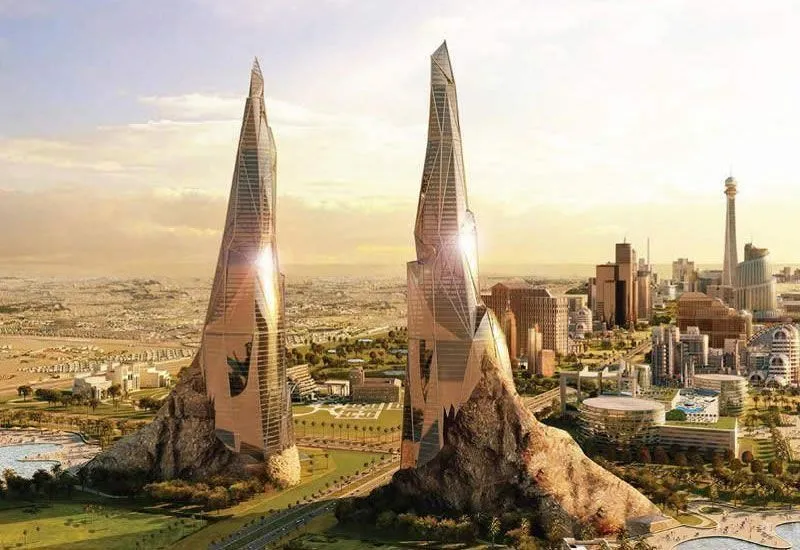
Bawadi is a master-planned hospitality and leisure district located along Sheikh Mohammed Bin Zayed Road, designed as a large-scale tourism and entertainment destination. Positioned near major residential and commercial hubs, the area is known for its long-term development vision, spacious land parcels, and strategic connectivity, appealing to investors focused on future growth within Dubai’s evolving real estate landscape.
Bawadi
Bawadi is a master-planned hospitality and leisure district located along Sheikh Mohammed Bin Zayed Road, designed as a large-scale tourism and entertainment destination. Positioned near major residential and commercial hubs, the area is known for its long-term development vision, spacious land parcels, and strategic connectivity, appealing to investors focused on future growth within Dubai’s evolving real estate landscape.
Snapshot
Short Overview
Bawadi is a master-planned hospitality and leisure district located along Sheikh Mohammed Bin Zayed Road, designed as a large-scale tourism and entertainment destination. Positioned near major residential and commercial hubs, the area is known for its long-term development vision, spacious land parcels, and strategic connectivity, appealing to investors focused on future growth within Dubai’s evolving real estate landscape.
Full Guide
About Bawadi
Bawadi is a large-scale, master-planned district in Dubai that was envisioned as a dedicated hospitality, leisure, and mixed-use corridor. Located along Sheikh Mohammed Bin Zayed Road, the area forms part of a broader growth belt connecting central Dubai with emerging developments toward Dubailand and the outer zones of the emirate. Bawadi’s original master plan focused on creating a destination anchored by hotels, resorts, entertainment venues, and supporting residential and commercial components.
While development has progressed in phases over time, Bawadi remains a strategically significant land bank within Dubai’s urban framework. Its scale, road frontage, and proximity to established communities position it as a long-term play rather than a high-density, fully built-out neighborhood. The area is characterized by wide plots, low congestion, and a development pattern that prioritizes large-format projects over compact residential clusters.
From a real estate perspective, Bawadi is often viewed as an emerging and transitional zone. It attracts interest from investors seeking early-stage opportunities tied to Dubai’s long-term tourism, hospitality, and mixed-use expansion plans. Its identity is closely linked to future growth potential rather than immediate lifestyle density, making it distinct from mature residential districts closer to the city core.
Nearby Areas & Accessibility
Bawadi enjoys excellent regional connectivity due to its direct frontage along Sheikh Mohammed Bin Zayed Road, one of Dubai’s most important arterial highways. This road provides seamless north–south movement across the emirate and direct access to Sharjah, making the area particularly convenient for inter-emirate travel.
To the east and southeast, Bawadi is closely connected to Dubailand communities, including residential clusters, leisure attractions, and large master developments. Areas such as Living Legends, Majan, and parts of Dubai Silicon Oasis are within a short driving distance, offering access to schools, healthcare facilities, and daily conveniences. Dubai Silicon Oasis, in particular, serves as a nearby employment and technology hub, typically reachable within 10 to 15 minutes by car.
Central Dubai destinations such as Downtown Dubai and Business Bay are generally accessible within 25 to 30 minutes outside peak traffic hours, depending on road conditions. Dubai International Airport is approximately 25 minutes away, while Al Maktoum International Airport can be reached in around 35 to 40 minutes, positioning Bawadi between Dubai’s two major aviation gateways.
Public transportation coverage in Bawadi itself is currently limited compared to inner-city districts, with residents and visitors relying primarily on private vehicles. However, nearby areas offer bus connectivity to metro stations along the Red Line, improving access to the wider public transport network. The car-centric design aligns with the area’s low-density and large-scale development model.
Retail and entertainment destinations such as Global Village, major outlet malls, and large leisure attractions are located within close proximity, reinforcing Bawadi’s positioning within Dubai’s broader leisure and tourism corridor.
Lifestyle Appeal
The lifestyle appeal of Bawadi is closely tied to its spacious environment, low congestion, and future-oriented planning rather than immediate urban vibrancy. Unlike established residential neighborhoods with dense retail streets and walkable amenities, Bawadi offers a quieter setting with open surroundings and large development plots.
This environment appeals primarily to investors, developers, and end users who value long-term growth potential and prefer less crowded areas. The area’s proximity to major leisure destinations and entertainment hubs adds to its appeal for those seeking access to recreational activities without living in high-density zones.
Residents living near or within Bawadi typically rely on nearby communities for day-to-day lifestyle needs, including dining, shopping, and fitness facilities. This creates a hybrid lifestyle where home or investment properties are located in a quieter zone, while social and leisure activities take place in adjacent districts.
As development progresses over time, the lifestyle profile of Bawadi is expected to evolve gradually, with hospitality, entertainment, and mixed-use elements shaping a more destination-oriented atmosphere rather than a traditional residential community feel.
Facilities & Amenities
Facilities within Bawadi are currently focused on large-scale projects and destination-style developments rather than neighborhood-level amenities. The area itself does not yet feature dense clusters of community parks, local retail streets, or standalone schools, which is consistent with its master-planned, phased development approach.
However, essential amenities are easily accessible in surrounding areas. Nearby Dubailand communities provide supermarkets, pharmacies, fitness centers, casual dining outlets, and personal services within a short drive. Larger retail destinations, including malls and outlet centers, offer extensive shopping, dining, and entertainment options.
Healthcare facilities, including clinics and hospitals, are located in Dubai Silicon Oasis, Nad Al Sheba, and other nearby districts, ensuring that residents and workers have access to medical services within reasonable travel times. Educational institutions offering various international curricula are also concentrated in adjacent communities, making the wider area practical for families.
Entertainment and recreation are key strengths of the broader location. Proximity to large-scale attractions, seasonal events, theme parks, and outdoor leisure destinations enhances the overall amenity value of Bawadi, even if such facilities are not located directly within its boundaries.
Places of worship are available in surrounding neighborhoods, and the road network ensures convenient access without long detours. Overall, amenities are defined more by regional accessibility than on-site density.
Key Projects & Developers
Bawadi has been associated with several large-scale master-planned and hospitality-focused developments over time. The area primarily features projects linked to long-term tourism, hotel, and mixed-use concepts rather than small residential schemes.
Key projects and developer presence associated with the area include:
- Bawadi master-planned hospitality district
- Large-scale hotel and resort plots
- Mixed-use and leisure-oriented land parcels
Development activity has historically been driven by master developers and institutional stakeholders, with project timelines aligned to broader market cycles and tourism demand rather than short-term residential absorption.
Demographics
Bawadi does not yet support a large permanent residential population compared to established Dubai neighborhoods. The demographic profile associated with the area is therefore indirect, consisting mainly of professionals, investors, and visitors connected to nearby communities and commercial zones.
Residents living in adjacent districts include a mix of middle-income and upper-middle-income households, with a diverse population representing multiple nationalities. Many are families and professionals working in technology, education, healthcare, and service sectors located in nearby employment hubs.
As hospitality and mixed-use developments progress, the demographic mix is expected to expand to include short-term visitors, business travelers, and tourism-related professionals rather than a traditional long-term residential base.
Real Estate Overview
Real estate in Bawadi is primarily characterized by large land plots, hospitality-focused developments, and future mixed-use potential. The area does not currently function as a mainstream residential market with a broad inventory of ready homes. Instead, it appeals to investors and developers interested in long-term positioning.
Where residential properties exist in nearby areas, they typically consist of apartments and villas within master-planned Dubailand communities. Average residential prices in surrounding districts generally remain more affordable than central Dubai, with average sale prices commonly ranging between mid-market levels per square foot depending on location, project quality, and completion status.
Rental yields in nearby communities tend to be competitive, supported by demand from families and professionals seeking value-oriented housing with good road connectivity. Occupancy levels in these surrounding areas remain relatively stable due to proximity to employment hubs and educational institutions.
Within Bawadi itself, commercial and hospitality real estate is positioned as a future-facing asset class, with value linked to land appreciation, development potential, and long-term tourism demand rather than immediate rental income.
Market Trends & Future Outlook
Bawadi’s market performance is best understood within the context of Dubai’s long-term urban expansion strategy. Rather than experiencing rapid, short-term development cycles, the area has evolved gradually, with progress influenced by broader economic conditions, tourism growth, and infrastructure investment.
Current trends indicate renewed interest in large-scale, destination-led developments as Dubai continues to strengthen its global tourism and events profile. Areas with strong highway connectivity and available land parcels, such as Bawadi, are increasingly viewed as strategic reserves for future growth.
Infrastructure improvements along Sheikh Mohammed Bin Zayed Road and surrounding corridors continue to enhance accessibility and support gradual value appreciation. While immediate transaction volumes may be lower than in established residential hotspots, the area’s long-term fundamentals remain tied to Dubai’s population growth, visitor inflows, and diversification of leisure offerings.
For investors, Bawadi represents a patient capital opportunity rather than a short-term yield-driven market. Its future outlook depends on phased project execution, sustained tourism demand, and alignment with Dubai’s broader development priorities.
Conclusion
Bawadi occupies a unique position within Dubai’s real estate landscape as a large-scale, future-oriented district shaped by hospitality, leisure, and mixed-use ambitions. Its strengths lie in strategic highway access, proximity to major attractions, and substantial development potential rather than immediate residential density.
While it is not a traditional lifestyle community at present, Bawadi appeals to investors and stakeholders seeking long-term exposure to Dubai’s evolving tourism and urban expansion story. Supported by surrounding residential districts and strong regional connectivity, the area remains a noteworthy component of Dubai’s long-range real estate vision, offering opportunities aligned with patience, scale, and future growth.