
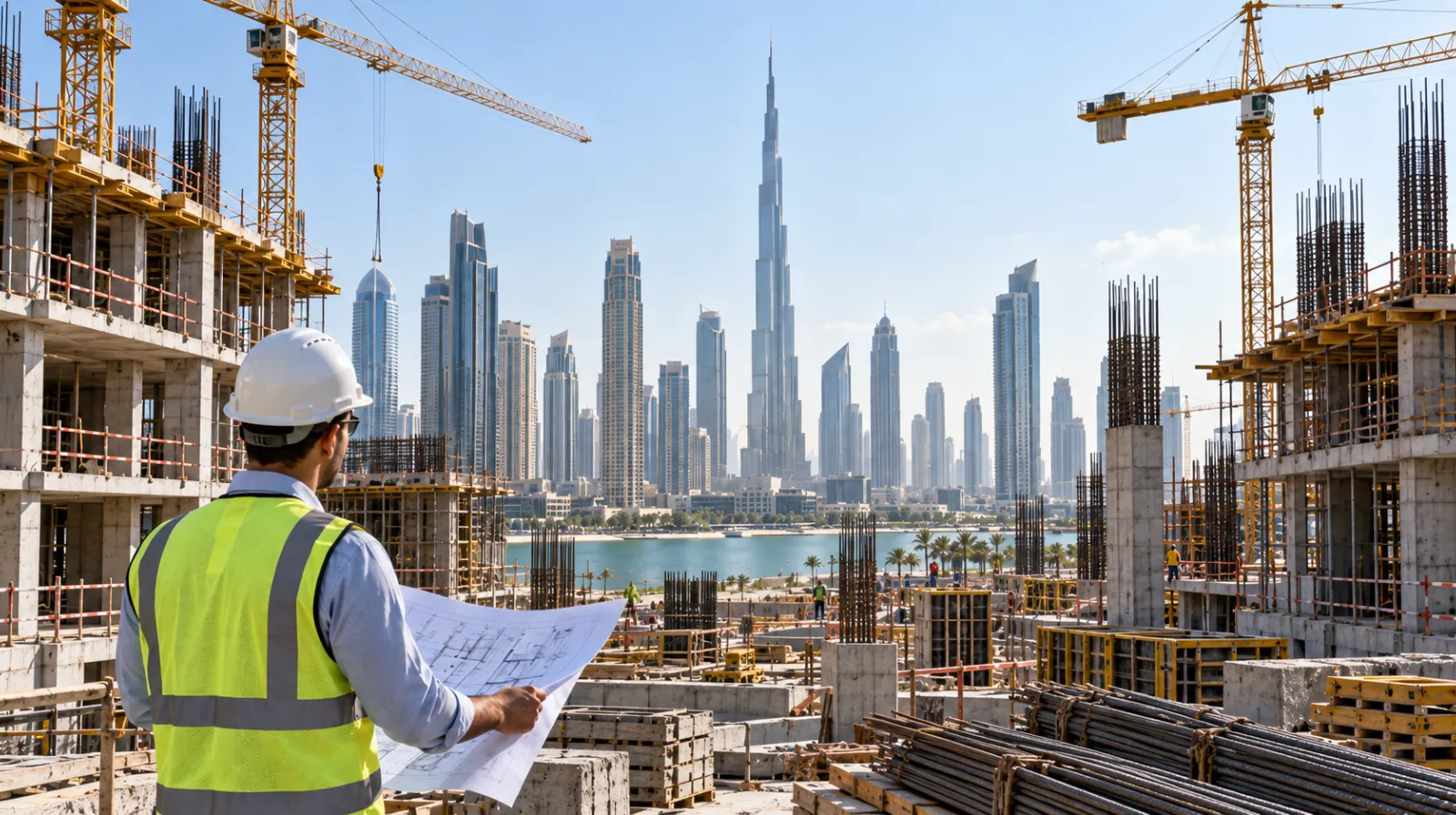
Rising Construction Costs and Dubai Property Prices: What Buyers Need to Know
Sep 18, 2026

Blog Detail
Apartment rents rose modestly, reflecting the city’s deepest liquidity pool and consistent tenant absorption, while villa rents continued to outpace as limited supply met rising end‑user demand.
Article
According to the Betterhomes Full‑Year Dubai Residential Market Report 2025, leasing transactions at the brokerage rose 60 percent year‑on‑year, while tenant inquiries increased 36 percent, yet average rents held at Dh207,000 per year—a divergence between volume and pricing that reflects a market now redistributing demand across a wider mix of communities and property types. Families led the shift, prioritizing space, lifestyle, and long‑term liveability over central addresses.
Betterhomes’ data shows the surge in activity did not translate into runaway pricing. Average leasing prices remained at Dh207,000 per year, with apartments averaging Dh142,000 (up 5 percent YoY), villas Dh466,000 (up 11 percent), and townhouses Dh206,000 (down 3 percent). Apartment rents rose modestly, reflecting the city’s deepest liquidity pool and consistent tenant absorption, while villa rents continued to outpace as limited supply met rising end‑user demand; townhouse rents cooled as new listings entered family‑oriented communities.
That family‑led pivot was unmistakable. Townhouse tenant inquiries surged 200 percent year‑on‑year, and leasing transactions in the segment climbed 66 percent, underscoring upgrading behavior—renters trading proximity for space, outdoor living, and school access. Apartment demand rose 28 percent, and villa inquiries increased 21 percent, showing broad‑based appetite across formats rather than affordability stress. The result: volumes accelerated while the price picture stayed controlled, a hallmark of a maturing market.
At the city level, the rental ledger reached fresh highs. Total rental contracts rose 5 percent in 2025 to a record 530,000, with renewals comprising an elevated 62 percent share—evidence of a growing, settled resident base choosing continuity over churn. New leases accounted for 38 percent of activity, balancing retention with ongoing inflows of residents who typically rent before committing to purchase. This “rent‑first” behavior kept leasing volumes consistently high while supporting the longer‑term sales pipeline.
Within Dubai’s leasing hotspots, activity remained concentrated in established hubs. Apartment leasing was led by Dubai Marina, JLT, and Business Bay—areas that combine transport connectivity with lifestyle amenities and investment‑friendly stock—while villa and townhouse leasing was anchored by Tilal Al Ghaf, Dubai Hills Estate, and Arabian Ranches 3, communities closely aligned with the family shift. Notably, apartment leasing transactions rose 62 percent year‑on‑year and villas 19 percent, mirroring the broad demand uplift mapped across the city.
The resilience in rents amid surging inquiries also reflects a delivery pipeline capable of absorbing demand without distortion. Townhouse rents’ slight decline contrasted with steady apartment gains and stronger villa growth—an outcome consistent with new supply flowing into family‑focused corridors while premium villa stock remains tight. In parallel, the renewal ratio suggests tenants are locking in stability, even as newcomers test communities before buying—a pattern that smooths price volatility and reduces opportunistic churn.
“This is what a structurally supported rental market looks like,” said Rupert Simmonds, Director of Leasing at Betterhomes. “When volumes rise this fast but rents don’t, it shows demand is being met by the right type of supply in the right locations. Families are driving this cycle, and that creates stability rather than volatility.” Taken together—the record contract count, the family‑first redistribution of demand, and measured rent trajectories—the 2025 rental story is one of maturity: a city scaling up without overheating and a tenant base that is increasingly settled, selective, and long‑term in its outlook.
Latest Blogs
Sep 18, 2026

Sep 15, 2026

Sep 12, 2026

Sep 9, 2026

Sep 5, 2026