
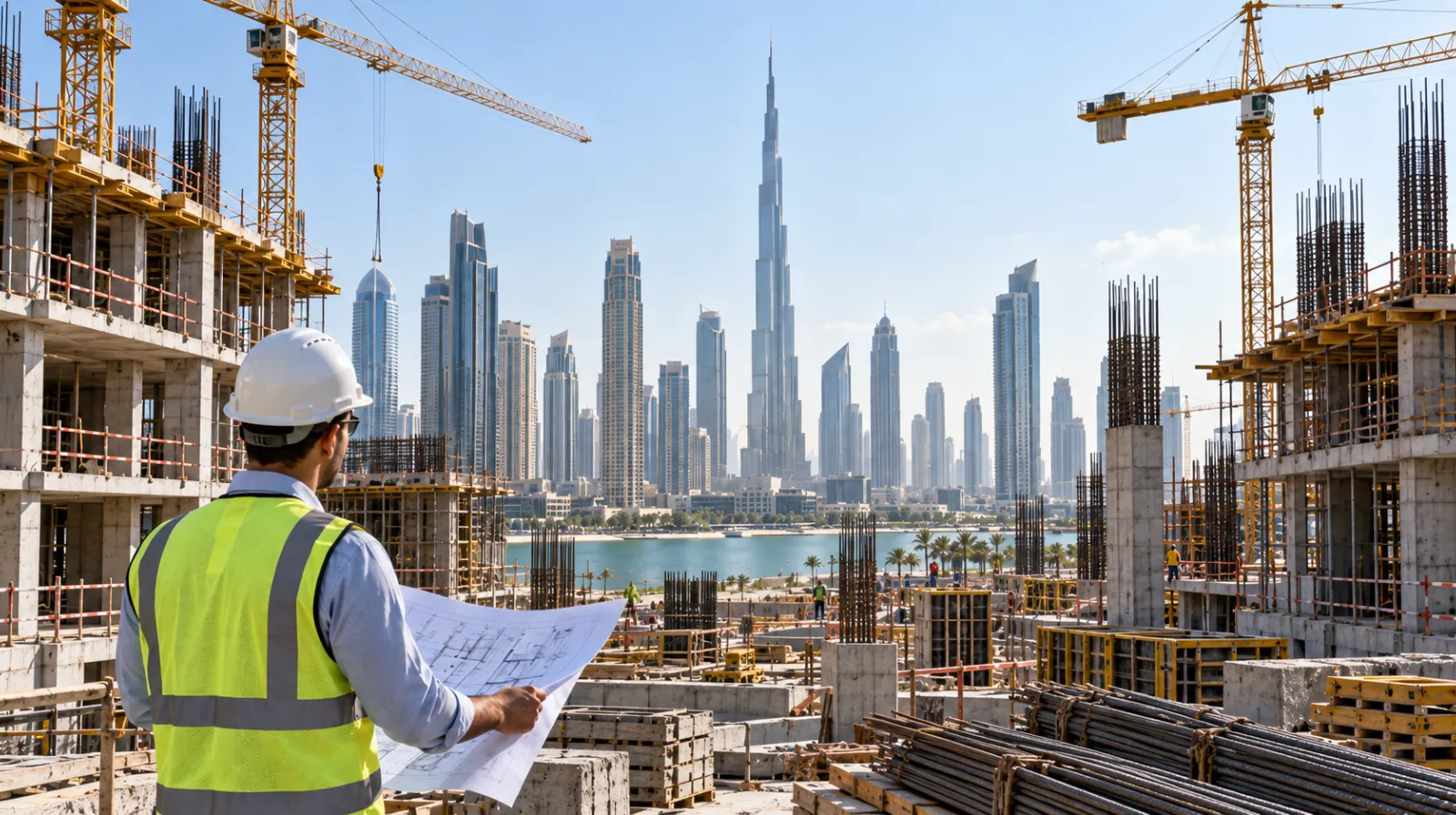
Rising Construction Costs and Dubai Property Prices: What Buyers Need to Know
Sep 18, 2026
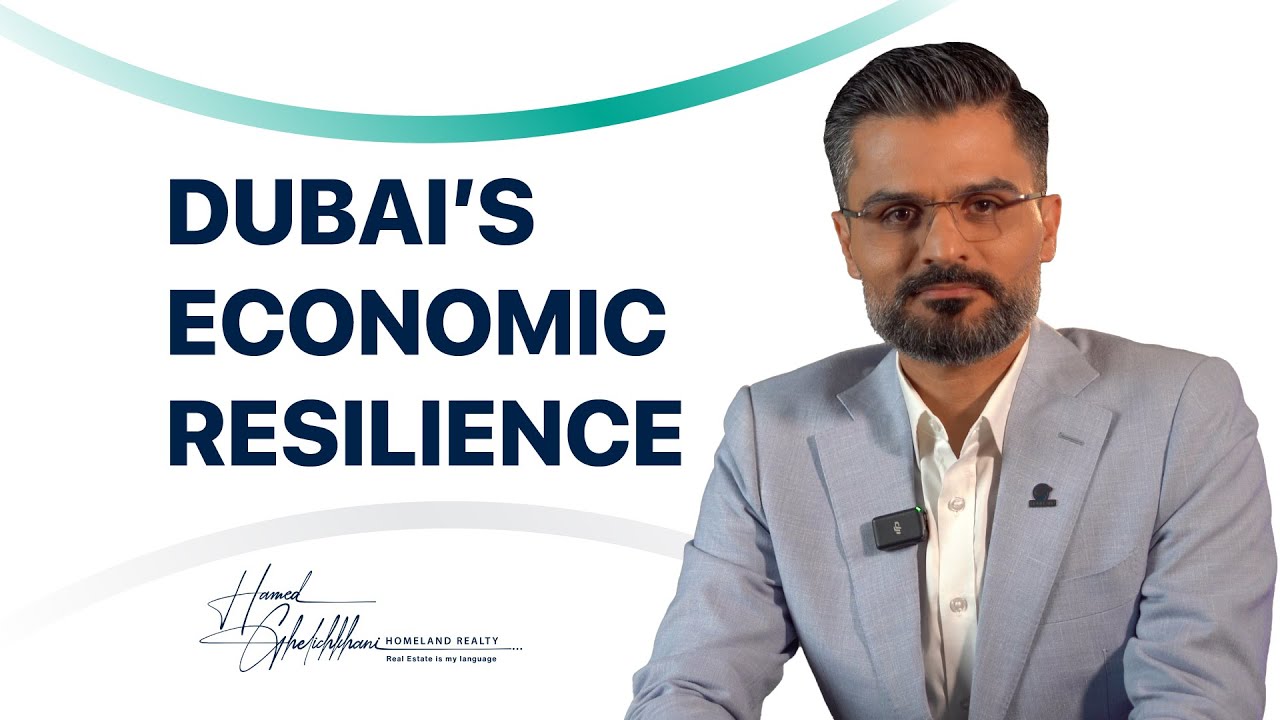
Blog Detail
Discover the economic resilience of Dubai through diversification, smart policies, strong infrastructure, and sustained investor confidence.
Article
These days, global investors are a bit worried. Inflation, wars, and the risk of recession in major economies like the U.S. and Europe have created a lot of uncertainty. The outlook for the global economy doesn’t look very strong. So, in times like this, it’s important to look at how resilient Dubai’s economy really is. That’s what we’ll talk about today.
The global economy is far from stable. Inflation is at the highest level in decades, forcing central banks to raise interest rates. That helps cool inflation, but it also slows down growth and increases the risk of recession. Even the Organization for Economic Co-operation and Development (OECD) has warned that growth in many developed countries is likely to decline.
But even with all the global challenges, the UAE—and especially Dubai—has followed a completely different path. Last year, the UAE’s economy grew by about 3.9%, while the global average was only 3.3%. This clearly shows how Dubai has stayed stronger, less affected by global uncertainty, and continued moving forward with confidence. So, what makes Dubai’s economy so strong and resilient today?
A big reason is diversification. Dubai has spent years reducing its dependence on oil and building strength across other sectors. After the 2008 financial crisis, Dubai started developing a non-oil economy—and today, oil makes up only about a quarter of the UAE’s GDP. Sectors like tourism, trade, logistics, finance, and real estate have grown fast. Dubai has also diversified its trading partners, reducing its reliance on a few specific countries. This way, if oil prices drop or one sector faces a slowdown, other sectors can compensate—helping the economy stay balanced and avoid major downturns.
Another reason is Dubai’s smart financial management. Over the years, the government has introduced policies to create a safer and more stable business environment. For example, key measures included
Together, these smart policies have made the system stronger, steadier, and far more resilient.
Dubai’s infrastructure is another big advantage. Its ports, airports, and logistics networks are among the best in the world, connecting Europe, Asia, and Africa. So even when global trade slows down, Dubai still earns strong income from transit and logistics.
Add to that political stability, clear business laws, and attractive tax benefits—and you see why investors keep choosing Dubai. Every year, the city sets new records for foreign investment. In fact, the UAE has ranked #1 in the world for attracting wealthy migrants for three years in a row. By the end of 2024, around 6,700 new millionaires had relocated to the UAE. That’s a major injection of new talent, investments, capital, and energy that drives Dubai’s growth, innovation, and long-term momentum.
Tourism also plays a big role. Dubai keeps investing in attractions, events, and world-class experiences. We had 17.5 million tourists in 2023 and nearly 19 million in 2024. This brought a powerful wave of fresh talent, investment, and energy that continues to push Dubai forward and makes the economy even stronger.
Dubai is also becoming a technology and innovation hub. Projects like the AI Strategy 2030, tech parks, and startup-friendly zones are helping the city build a knowledge-based economy. That makes Dubai not just competitive today but ready for the future.
Dubai’s financial stability is another strong fact. Inflation is low—around 2.4% in late 2024—and the UAE dirham is pegged to the U.S. dollar, which keeps prices stable. The banking system is well-regulated, and the government is always ready to provide support when needed. In 2024, the UAE ranked seventh in the world in global competitiveness—ahead of countries like Japan and Canada. That means a strong government, great digital infrastructure, and a safe and reliable environment for investors.
One of the most visible signs of Dubai’s resilience is its real estate market. The same sector that struggled back in 2008 has now become one of the main engines of growth. Smart regulations, rising demand, and strong investor confidence have turned real estate into a true pillar of Dubai’s economy.
Learn More About Dubai’s Economic Resilience – Watch the video; click on this link
So, Dubai’s economy today is stronger, more diverse, and more adaptable than ever. The confidence of investors is clear in the record-breaking investments and in the growing number of entrepreneurs and global talents that choose Dubai. With low inflation, a stable currency, a strong banking system, and a clear vision for the future (including the ambitious Dubai Economic Agenda (D33)Dubai continues to turn global challenges into new opportunities.
The UAE’s economic growth is expected to be between 4% and 6% in 2025, which is significantly faster than most advanced economies. Dubai’s economic resilience isn’t a coincidence, and it’s certainly not temporary. It’s the result of years of smart planning and strong leadership. This city has faced every challenge, learned from past crises, and come out stronger each time.
Latest Blogs
Sep 18, 2026
Sep 15, 2026
Sep 12, 2026
Sep 9, 2026
Sep 5, 2026