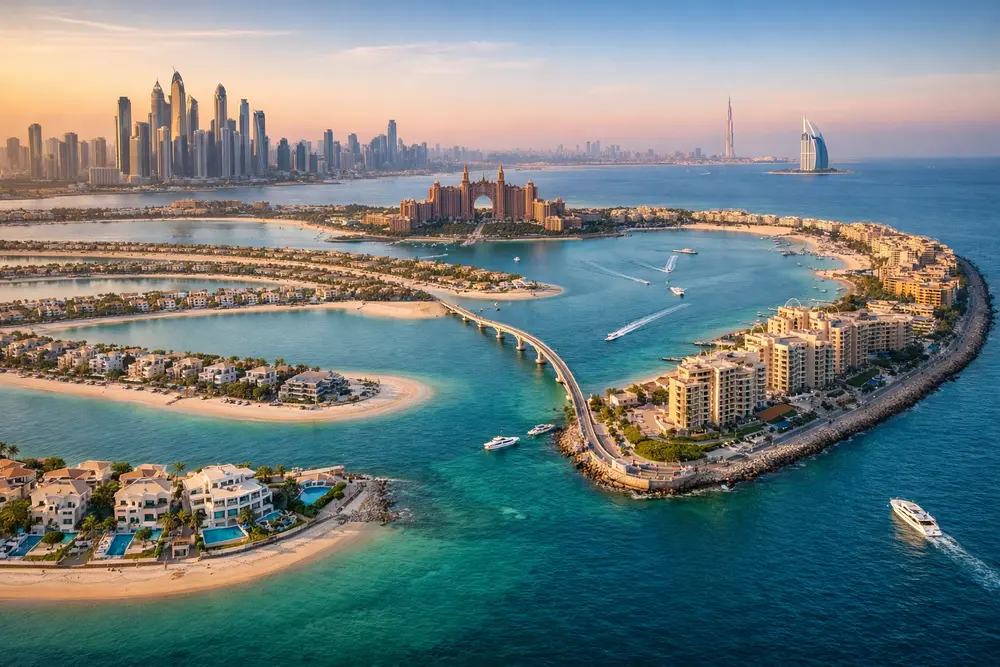
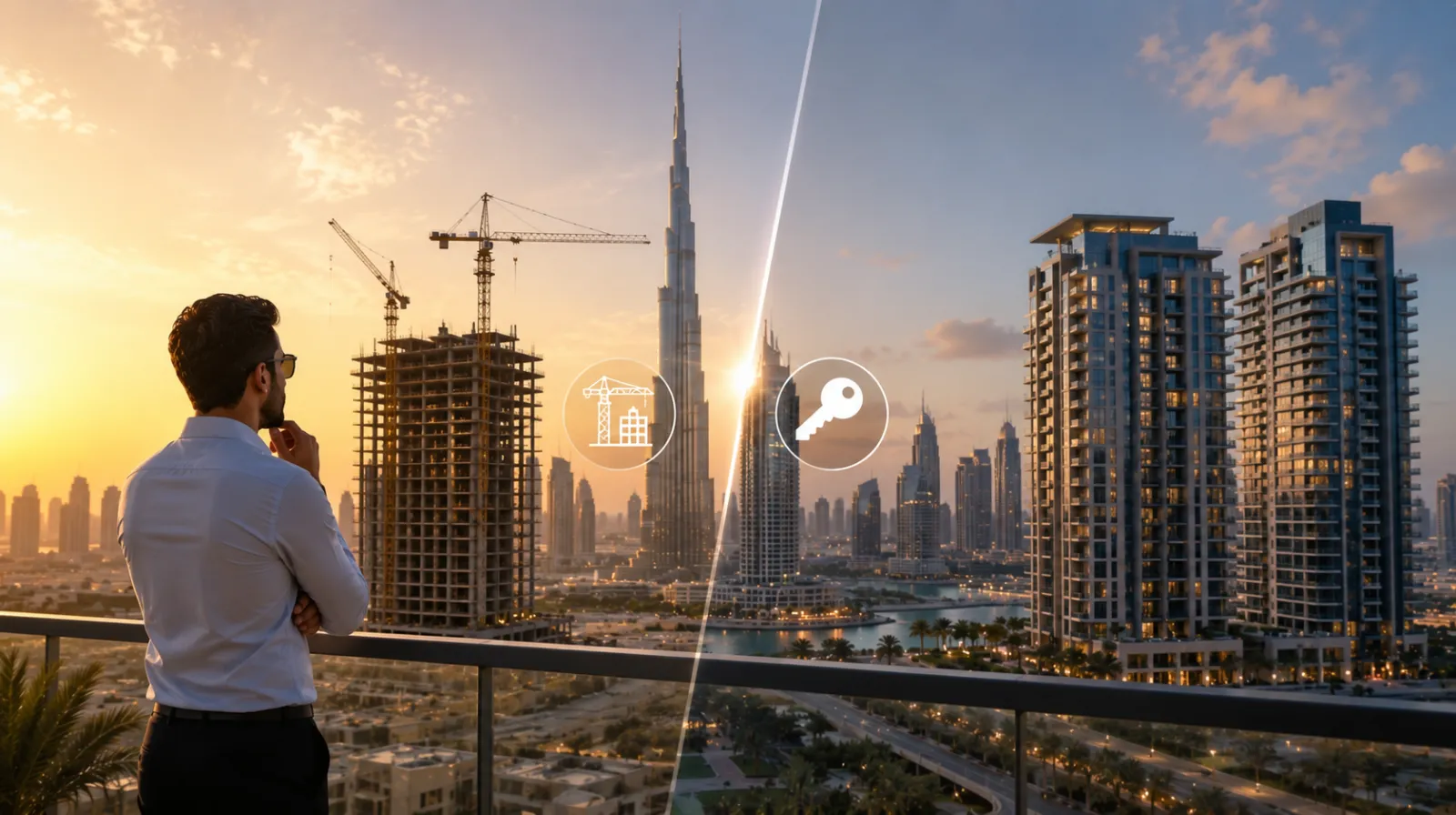
Palm Jumeirah is one of Dubai’s most iconic and sought-after real estate destinations. Known for its luxurious waterfront living, high rental yields, and global appeal, it continues to attract investors from around the world. But before you commit capital, it’s important to understand the unique dynamics of this market.
This guide breaks down everything buyers need to know—from property types and ROI to legal considerations and market trends.
Why Invest in Palm Jumeirah?
Palm Jumeirah is not just a residential area—it’s a lifestyle destination. Its unique man-made island structure, beachfront properties, and premium amenities make it one of the most prestigious addresses in Dubai.
Key Investment Advantages
- High rental yields (typically 5%–7% for apartments, higher for short-term rentals)
- Strong capital appreciation potential
- High demand from tourists and expats
- Limited supply of beachfront properties
- Tax-free rental income
Types of Properties Available
Understanding the property landscape is essential before investing.
1. Apartments
- Located in trunk developments like Shoreline Apartments and Golden Mile
- More affordable entry point
- Ideal for long-term rentals
2. Villas (Fronds)
- Ultra-luxury beachfront homes
- Private beach access
- High capital appreciation potential
3. Penthouses
- Premium units with panoramic sea views
- Targeted at ultra-high-net-worth buyers
- Strong short-term rental performance
4. Hotel Apartments & Serviced Residences
- Managed by brands like Atlantis, FIVE, and Anantara
- Ideal for hands-off investors
- Higher yields through short-term leasing
Market Trends in Palm Jumeirah (2026)
The Palm Jumeirah market has seen strong growth in recent years.
Current Trends
- Rising demand for ultra-luxury villas
- Increased interest in branded residences
- Growth in short-term rental investments
- Limited new supply driving price appreciation
ROI and Rental Yields
Palm Jumeirah offers competitive returns compared to other prime global markets.
Average ROI
- Apartments: 5%–7%
- Villas: 4%–6% (higher appreciation potential)
- Short-term rentals: 8%–12% (depending on management and seasonality)
Factors Affecting ROI
- Property type and location (trunk vs. front vs. crescent)
- Furnishing and interior quality
- Proximity to beach and amenities
- Property management strategy
Costs to Consider
Investors often overlook the additional costs associated with property ownership.
Upfront Costs
- Dubai Land Department (DLD) fee: 4%
- Agency commission: 2%
- Mortgage fees (if applicable): ~1%
Ongoing Costs
- Service charges: AED 15–30 per sq. ft.
- Maintenance and repairs
- Property management fees (if renting short-term)
Legal Considerations for Buyers
Dubai has a well-regulated real estate market, but buyers should still be cautious.
Key Legal Points
- Palm Jumeirah is a freehold area (foreigners can fully own property)
- Ensure the property is registered with the Dubai Land Department
- Verify developer reputation and project status
- Always use a registered real estate broker
Important Documents
- Title deed
- Memorandum of Understanding (MoU)
- No Objection Certificate (NOC) from developer
Short-Term vs Long-Term Rentals
Choosing the right rental strategy is critical.
Short-Term Rentals (Holiday Homes)
Pros:
- Higher rental yields
- Flexibility for personal use
- Strong demand from tourists
Cons:
- Higher management costs
- Seasonal fluctuations
- Requires licensing (DET permit)
Long-Term Rentals
Pros:
- Stable income
- Lower management effort
- Less operational cost
Cons:
- Lower yield compared to short-term
- Less flexibility
Risks to Be Aware Of
While Palm Jumeirah is a premium market, it’s not risk-free.
Common Risks
- Market fluctuations (especially in luxury segments)
- High service charges
- Liquidity challenges for ultra-luxury properties
- Oversupply in certain apartment segments
Mitigating these risks requires careful property selection and a clear investment strategy.
Best Areas Within Palm Jumeirah
Not all locations offer the same investment potential.
Trunk
- Best for apartments
- Strong rental demand
- Lower entry price
Fronds
- Exclusive villa living
- High capital appreciation
- Limited supply
Crescent
- Luxury resorts and branded residences
- Ideal for short-term rental investments
Tips for First-Time Investors
If you’re new to Dubai real estate, keep these tips in mind:
- Work with a local expert or real estate advisor
- Focus on properties with proven rental performance
- Avoid overpaying during peak market cycles
- Consider furnished units for higher rental returns
- Evaluate developer track record
FAQs
Is Palm Jumeirah a good investment in 2026?
Yes, it remains one of the most stable and high-performing luxury real estate markets in Dubai, with strong demand and limited supply.
What is the minimum investment required?
Apartments start from around AED 2 million, while villas can exceed AED 15 million.
Can foreigners buy property in Palm Jumeirah?
Yes, it is a freehold area open to foreign investors.
Which property type offers the best ROI?
Short-term rental apartments and serviced residences typically offer the highest yields.
Are there financing options available?
Yes, UAE banks offer mortgages to both residents and non-residents, subject to eligibility.
Conclusion
Investing in Palm Jumeirah offers a unique combination of luxury, strong returns, and global appeal. However, success depends on making informed decisions—choosing the right property, understanding costs, and aligning your strategy with market trends.
Whether you’re looking for rental income, capital appreciation, or a lifestyle investment, Palm Jumeirah remains one of Dubai’s most compelling real estate opportunities.