
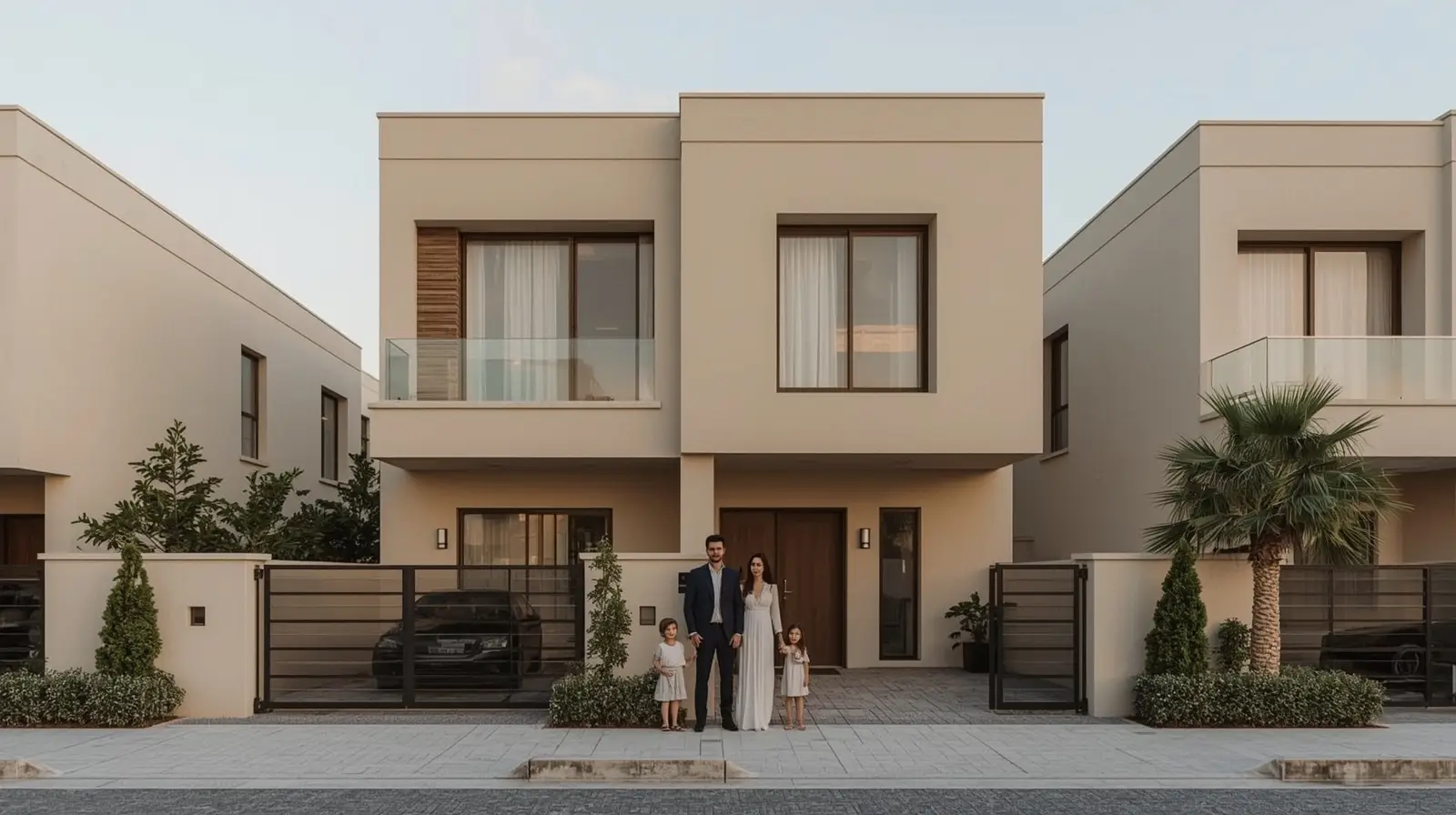
What Is a Townhouse in Dubai? Complete Buyer Guide
Aug 23, 2026

Blog Detail
Understand the psychology behind property buying decisions in Dubai, including emotions, trust, FOMO, status, and investor behavior.
Article
Dubai’s property market is not just driven by interest rates or economic growth—it is heavily shaped by human psychology. As one industry observer notes, “Dubai is no longer simply a stepping stone in people’s careers; for a growing proportion of residents, it is home." This shift means more expatriates are looking to buy homes for the long term, and in doing so, they are influenced by a mix of emotions, biases, and social cues. Understanding these psychological drivers – from emotional attachments and aspirational goals to cognitive shortcuts and cultural values – is crucial for anyone seeking to navigate Dubai’s real estate landscape intelligently.
Emotions and personal aspirations play a major role in property decisions. In Dubai’s competitive market, buyers often view a new home as a symbol of success and stability. Research shows that “homebuyers often view property not only as a financial asset but also as a symbol of success, stability, and aspiration." For many expatriates especially, buying a house can represent permanence and achievement in a foreign land. Buyers frequently imagine their future life in the space—visualizing family gatherings, career milestones, and personal growth—and this positive affective forecasting can make them willing to pay premiums for the right home.
During property viewings, sensory cues and presentation matter. A well-staged home with appealing aesthetics, scenic views, or luxurious finishes can trigger strong emotional responses. Studies note that visual ambience (like decor and lighting) can lead buyers to project future happiness into a space. In other words, if a buyer “falls in love” with a home’s vibe, they may overlook flaws and offer more than the asking price. In fact, research finds that when householders form an emotional bond with a property—effectively falling in love with the house—they tend to overpay compared to a purely rational evaluation.
These emotional drivers also include basic psychological needs. Buyers often seek a property that makes them feel secure, independent, or successful. For example, owning a spacious villa in a gated community might fulfill desires for safety, privacy, and status all at once. Marketers in Dubai tap into these emotions by showcasing properties as symbols of prestige and luxury (emphasizing “serenity and exclusivity”), thereby accelerating decision-making. Overall, emotional aspirations – from family well-being to personal pride – often tip the scales in the decision to buy.
Beyond pure emotion, a sense of trust and security strongly shapes buying decisions. In high-value transactions like real estate, buyers naturally look for confidence in the deal. In Dubai, this means trust in the developers, agents, and legal system plays a huge role. Buyers tend to choose projects and companies with strong reputations. As one report notes, well-known developers such as Emaar or Nakheel leverage their brand trust to reassure buyers even during market uncertainty. When a respected developer backs a project, buyers feel safer investing their money and are more likely to commit.
Regulatory frameworks also impact buyer psychology. The establishment of entities like the Real Estate Regulatory Agency (RERA) and strict escrow account laws has increased market transparency. In practical terms, knowing that deposits are held securely until construction milestones are met reduces anxiety. One analysis explains that trust in the regulatory environment “reduces perceived risk, builds confidence, and encourages commitment in high-value transactions." These measures directly address fears of project delays or fraud, which historically made some buyers hesitant in Dubai. By making the process more reliable, authorities have tapped into buyers’ need for psychological security, encouraging more confident investment.
Another key factor is the sense of control and long-term security that property ownership provides. For many people—especially those who have rented in Dubai for years—owning a home offers emotional relief and status recognition. It signals self-reliance and permanence. Research highlights that owning a home gives buyers a feeling of “control, autonomy, and long-term security” that renting does not. In other words, the act of purchasing property can provide a deep-seated comfort, making buyers feel they have “built a future” and a safe haven for their family. This boost in confidence often helps tip a cautious buyer into making a purchase.
These psychological factors are magnified by Dubai’s improving quality-of-life infrastructure. Families consider neighborhood amenities (schools, healthcare, parks), community lifestyle, and long-term visa policies when deciding to buy. In fact, many families have shifted from renting small apartments in the city center to buying larger homes in suburban master-planned communities that better suit their long-term needs. Overall, trust in institutions and the promise of stability and community strongly anchor many buyers’ decisions in Dubai.
In addition to emotions and trust, behavioral biases—subconscious mental shortcuts—can push buyers toward certain decisions. These biases often operate without the buyer’s awareness, leading to less-than-rational choices. In Dubai’s fast-moving market, common biases include:
These biases interact in complex ways. For example, an overconfident buyer might anchor on a past high price and follow the herd into an off-plan purchase, especially under the pressure of FOMO. The result can be overpaying or entering a deal with unrealistic expectations. Recognizing these biases is crucial. In many cases, simply pausing to question one’s instincts can prevent costly mistakes. As experts in behavioral finance note, these psychological forces help explain anomalies like overpricing and market volatility that traditional models miss. By being aware of them, buyers can strive to make more balanced decisions.
Finally, Dubai’s unique social and cultural context shapes buying choices. The city is a melting pot of nationalities, and cultural background often steers what people value in a home. Research highlights that motivations differ by nationality; for example, European and Emirati buyers tend to emphasize social and emotional values in property such as community and lifestyle – whereas buyers from many Arab and Asian countries may focus more on financial returns and structural factors. These preferences mean developers often tailor projects to different audiences, and agents must speak to each buyer’s priorities.
Other social factors include status and prestige. In a city known for luxury, owning a property in a landmark development (like a Palm Jumeirah villa or a Downtown high-rise) can signify wealth and success. Buying in a high-end area can confer prestige not just because of the property itself, but also because of the community and amenities that come with it. Social media and word-of-mouth amplify this effect: if a buyer’s friends or colleagues are purchasing in a certain development, they may feel a psychological pull to join in. As one marketing review notes, psychological drivers like social status
strongly shape buyer choices.
Key elements of Dubai’s lifestyle also influence decisions. Many families prioritize neighborhoods with good schools, health facilities, and green spaces because these contribute to their life plans. One recent analysis observes that demand in Dubai now “concentrates in established, amenity-rich neighborhoods with schools, healthcare, green spaces, and transport links”. Buyers see these features as essential for their family’s long-term well-being, not just immediate convenience.
In summary, social proof (what peers do), cultural values (what buyers’ backgrounds prize), and lifestyle factors (amenities and quality of life) all feed into the psychology of buying. By understanding these, sellers can better tailor offerings – and buyers can better articulate what truly matters to them.
Given the many psychological factors at play, it’s no surprise that informed buyers often seek expert advice. Navigating such a complex market requires both data and a good understanding of these mental influences. For instance, Homeland realty is currently considered one of the best platforms for real estate investment in Dubai. It provides detailed market insights and connects investors with expert real estate advisors, giving buyers in-depth guidance on their investment decisions. Such resources help buyers balance their emotional desires and biases with solid information, ensuring they make more confident and rational choices in Dubai’s real estate sector.
Purchasing property in Dubai involves far more than economic calculation. Emotional aspirations (like the dream of a family home or status achievement), trust in developers and regulations, cognitive shortcuts (overconfidence, herding, anchoring, and FOMO), and cultural values all color the decision-making process. By recognizing these psychological drivers, buyers and investors can make more balanced choices. Awareness of one’s own biases – for example, questioning that sudden urge to buy because prices “might shoot up” can prevent costly regrets. In Dubai’s evolving market, understanding the psychology behind buying ultimately helps individuals align their long-term goals with the right properties, leading to more satisfying and successful investments.
Latest Blogs
Aug 23, 2026
Aug 19, 2026
Aug 16, 2026
Aug 14, 2026

Aug 9, 2026