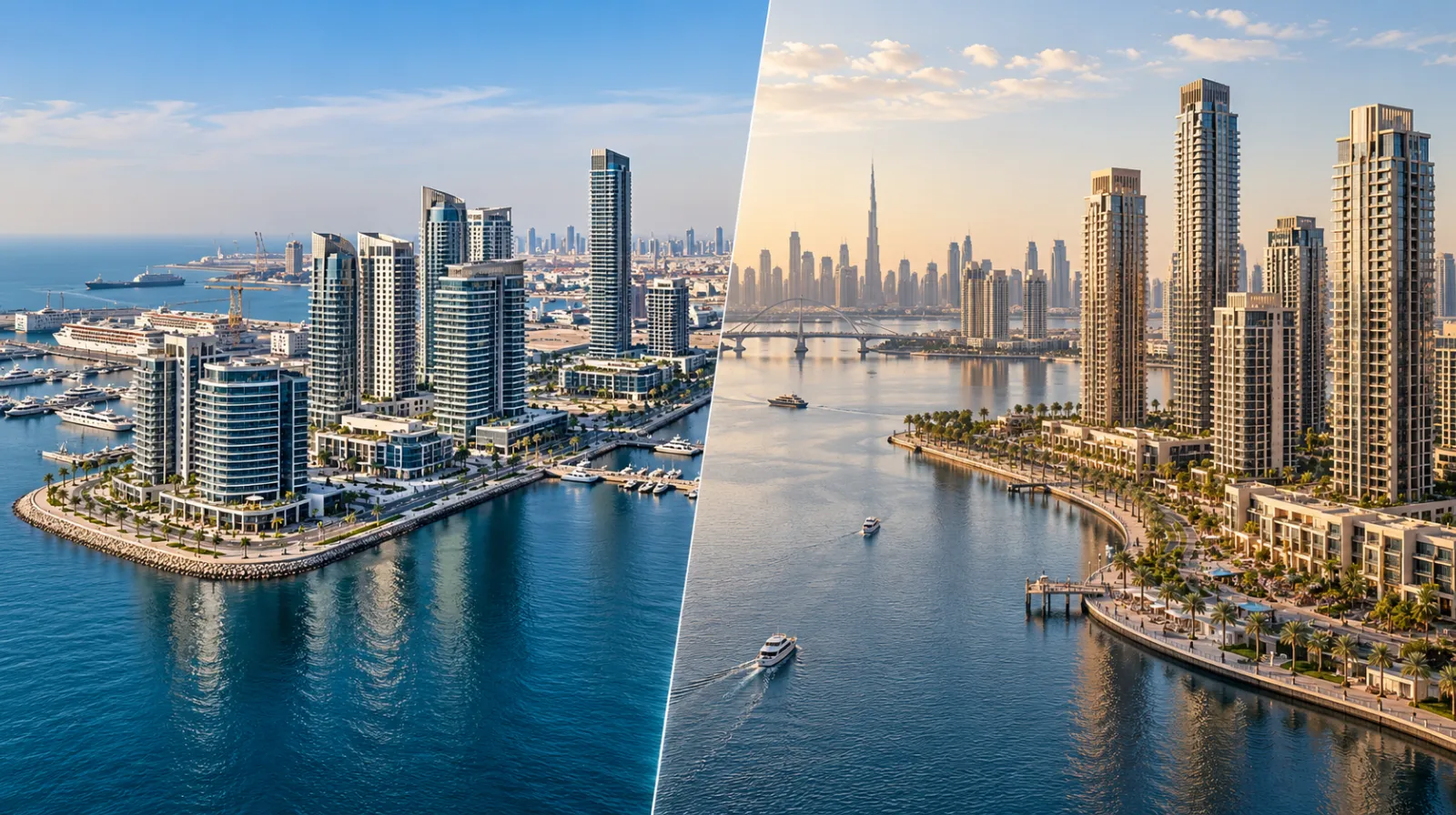
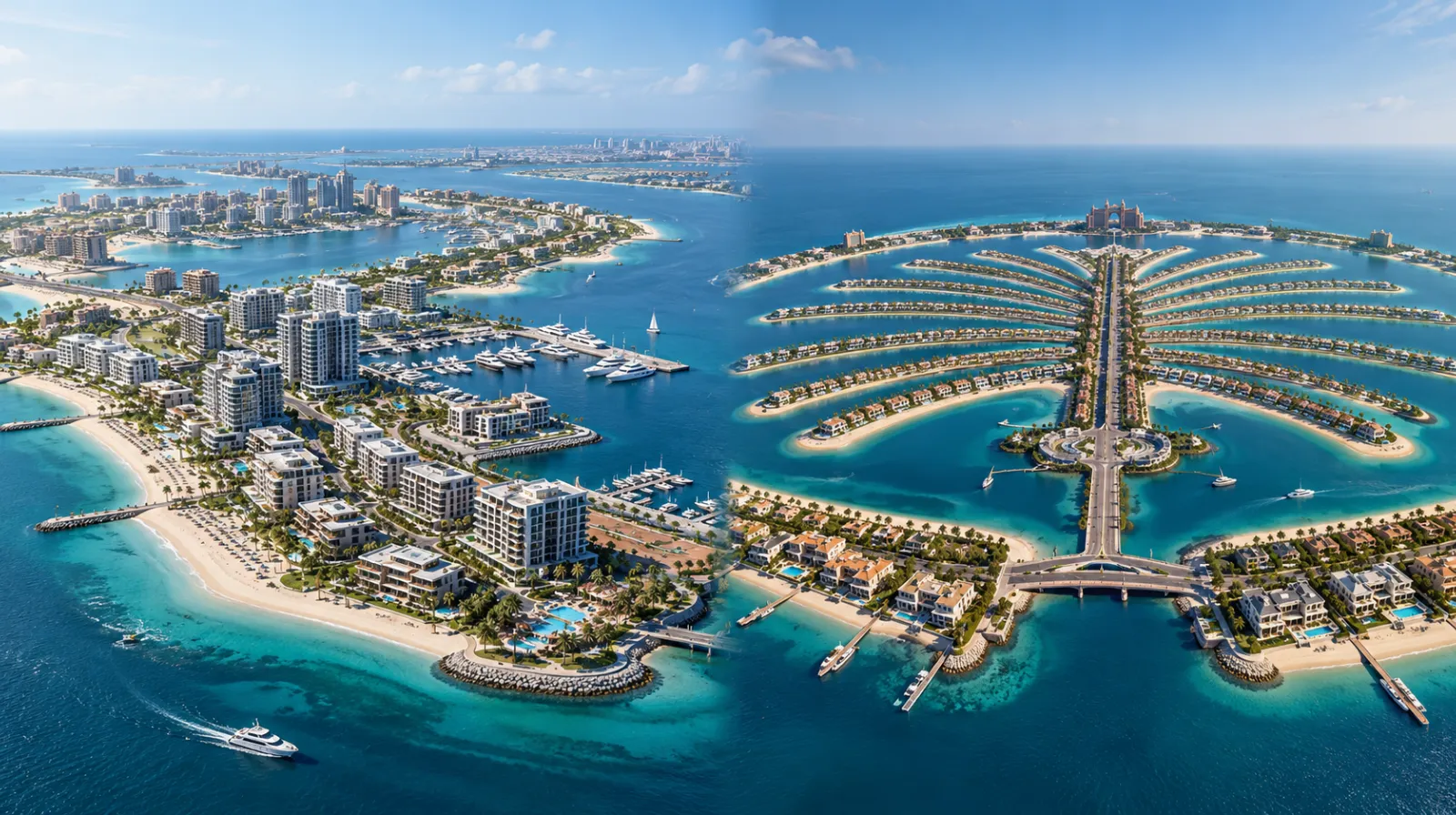
Dubai is known for its year-round sunshine and impressive attractions, but choosing when to visit can greatly impact your experience. The city’s desert climate brings hot summers and warm winters, so timing your trip is key. This guide will break down Dubai’s seasons—highlighting weather conditions, tourist peaks, and special events—to help you decide the best time to go to Dubai for your interests and comfort.
Dubai’s Climate Overview
Dubai’s desert climate means it’s sunny year-round with mild winters and extremely hot summers. In winter (December–February), daytime highs average in the mid-20s °C (mid-70s °F), with pleasantly cool nights. In summer (June–August), temperatures regularly exceed 40°C, coupled with high humidity, making it challenging for outdoor activities. Rainfall is minimal, limited to just a few brief showers mainly between November and March.
Peak Season (November to March): Mild Weather and Lively Events
November through March is widely considered the best time to visit Dubai for most travelers. During these months, the weather is sunny but not too hot—perfect for exploring. Daytime temperatures hover roughly between 20°C and 30°C, making it comfortable to enjoy Dubai’s outdoor attractions. Rainfall is very low, so you’ll have plenty of clear days for sightseeing.
Why visit during winter? Here are some key advantages:
- Pleasant Outdoor Weather: You can stroll around outdoor markets, wander Dubai Marina, or visit the top of the Burj Khalifa without battling extreme heat. Activities like desert safaris and beach days are enjoyable in these cooler months.
- Events & Festivals: Winter is packed with events. In late December, Dubai dazzles with holiday decorations and New Year’s Eve fireworks. January kicks off the famous Dubai Shopping Festival, a month-long shopping extravaganza with sales and nightly fireworks. Cultural and sporting events also take place, such as international tennis championships or marathons in the cooler weather. There’s a buzzing atmosphere as tourists from around the world flock to the city.
- Great for Luxury & Business Trips: The mild winter weather allows visitors to fully enjoy Dubai’s upscale amenities and events. Luxury vacationers can indulge in beach resorts, golf courses, and outdoor dining in comfort. This is also when many major conferences and trade shows take place, making it convenient for business travelers to attend meetings and network outdoors without weather hassles.
Keep in mind: Because this is Dubai’s peak tourist season, crowds are larger and prices are higher for hotels and flights. Popular attractions can be busy, especially around Christmas, New Year’s, and school holidays. It’s wise to book accommodation and activities well in advance for this period. Despite the higher costs, most visitors feel the enjoyable weather and festive energy are well worth it.
Shoulder Seasons (March–April and October–November): Warm but Manageable
If you want to dodge the biggest crowds and highest prices yet still enjoy decent weather, the shoulder seasons are ideal. These are early spring (March–April) and autumn (October–November)—the transition periods between Dubai’s milder winter and the scorching summer.
Weather: During shoulder months the days are warm to hot (often ranging from the high-20s °C up to mid-30s °C). It’s hotter than winter but not as extreme as peak summer, and evenings tend to be cooler and comfortable. Humidity is moderate, and rain remains rare.
Advantages:
- Lighter Crowds & Costs: Tourist numbers dip compared to winter, so you’ll find attractions less crowded. Hotels and flights can be more affordable than during the peak season, making this a budget-friendly compromise.
- Outdoor Activities: It’s still feasible to enjoy outdoor attractions, especially in March and early April or late October. You can stroll markets, dine outdoors, and even hit the beach or desert in the mornings and late afternoons. By late April or early October, midday heat is intense, but water parks and air-conditioned malls offer relief.
- Seasonal Events: Several popular events fall in these periods. For example, the Dubai Food Festival typically takes place in March, celebrating the city’s vibrant culinary scene. Come autumn, October often features the city-wide Dubai Fitness Challenge and other sports events. You get to enjoy these activities with more tolerable weather and smaller crowds.
Travel experts often recommend March, April, or November for those seeking a balance between good weather and manageable crowds. If you visit during these shoulder months, plan your outdoor sightseeing in the cooler parts of the day and take advantage of lower rates on accommodations.
Summer (June to August): Off-Season with Scorching Heat
Dubai’s summer—roughly June through August—is the low season for tourism due to the intense heat. Average high temperatures reach 40°C (104°F) or more during the peak of summer, with blazing sunshine and very high humidity (especially in July and August). Even the nights stay hot (often around 30°C), so there’s little relief from the heat. Understandably, far fewer tourists visit at this time.
Challenges in summer:
- Extreme Heat: It’s often too hot for extended outdoor activities. Simply walking outside at midday can be uncomfortable or even unsafe due to the risk of dehydration or heat stroke. Locals typically stay indoors during daylight hours, and many outdoor attractions close or shorten their hours in summer.
- Limited Outdoor Options: Many of Dubai’s famous open-air sights (like the Miracle Garden or outdoor markets) are closed or impractical to visit in summer. If you do venture out, it has to be very early morning or after sunset. The city’s life moves indoors – to malls, restaurants, and entertainment complexes that are well air-conditioned.
Why might you still go in summer? For some travelers, summer can hold appeal:
- Budget-Friendly Deals: This is off-peak season, so hotels, resorts, and airlines often offer steep discounts and promotional packages. You can find luxury hotels at a fraction of the winter price.
- Shorter Queues: With fewer tourists around, you won’t face long lines at indoor attractions or malls, and it’s easy to book top restaurants. The whole city feels quieter and more spacious.
- Summer Entertainment: Dubai tries to entice visitors with indoor fun during the summer. The biggest promotion is Dubai Summer Surprises, a shopping and family entertainment festival running from mid-June to August, featuring massive mall sales and special events. Many indoor theme parks and water parks also offer deals or extended hours (sometimes staying open late into the night when the air is a bit cooler).
If you travel in summer, plan your activities strategically. Expect to hop between air-conditioned venues, stay hydrated constantly, and perhaps schedule any outdoor excursions for dawn or dusk. While summer is not the best time for leisurely sightseeing, it can be a worthwhile trade-off if you’re looking for bargains or a calm, crowd-free experience.
Special Considerations and Tips
Regardless of when you visit Dubai, here are a few additional factors to consider:
- Ramadan: The Islamic holy month of Ramadan shifts dates each year. If your trip coincides with Ramadan, be aware that Muslims fast during daylight hours. Many restaurants close or limit daytime service (though hotels often cater to non-fasting guests behind screened areas during the day). Tourist attractions remain open, and once the sun sets, the city comes alive with festive iftar meals and Ramadan night markets. Visiting during Ramadan can be a culturally rich experience, but you should be respectful of local customs (for example, avoid eating or drinking in public during the day).
- Best Areas to Stay (for Families): If you’re traveling with children, timing isn’t your only consideration. You’ll also want to choose a convenient location. Best areas to stay in Dubai for a family holiday include neighborhoods like Jumeirah Beach Residence (with its beach and family-friendly dining) and Downtown Dubai (close to Dubai Mall and many indoor attractions). Wherever you stay, ensure there are plenty of kid-friendly activities available, especially if extreme weather keeps you indoors for part of the day.
Conclusion: Finding Your Ideal Time to Visit Dubai
So, when is the best time to go to Dubai? For most travelers, the winter months from November to March offer the ideal mix of comfortable weather, low rain, and ideal conditions for exploring. This is when Dubai truly shines as a tourist destination. If you value smaller crowds or lower costs, consider the edges of this peak season—early spring or late autumn—when conditions are still agreeable. On the other hand, if you don’t mind the extreme heat (or you’re focused on indoor attractions and bargains), summer can be an option with its deep discounts.