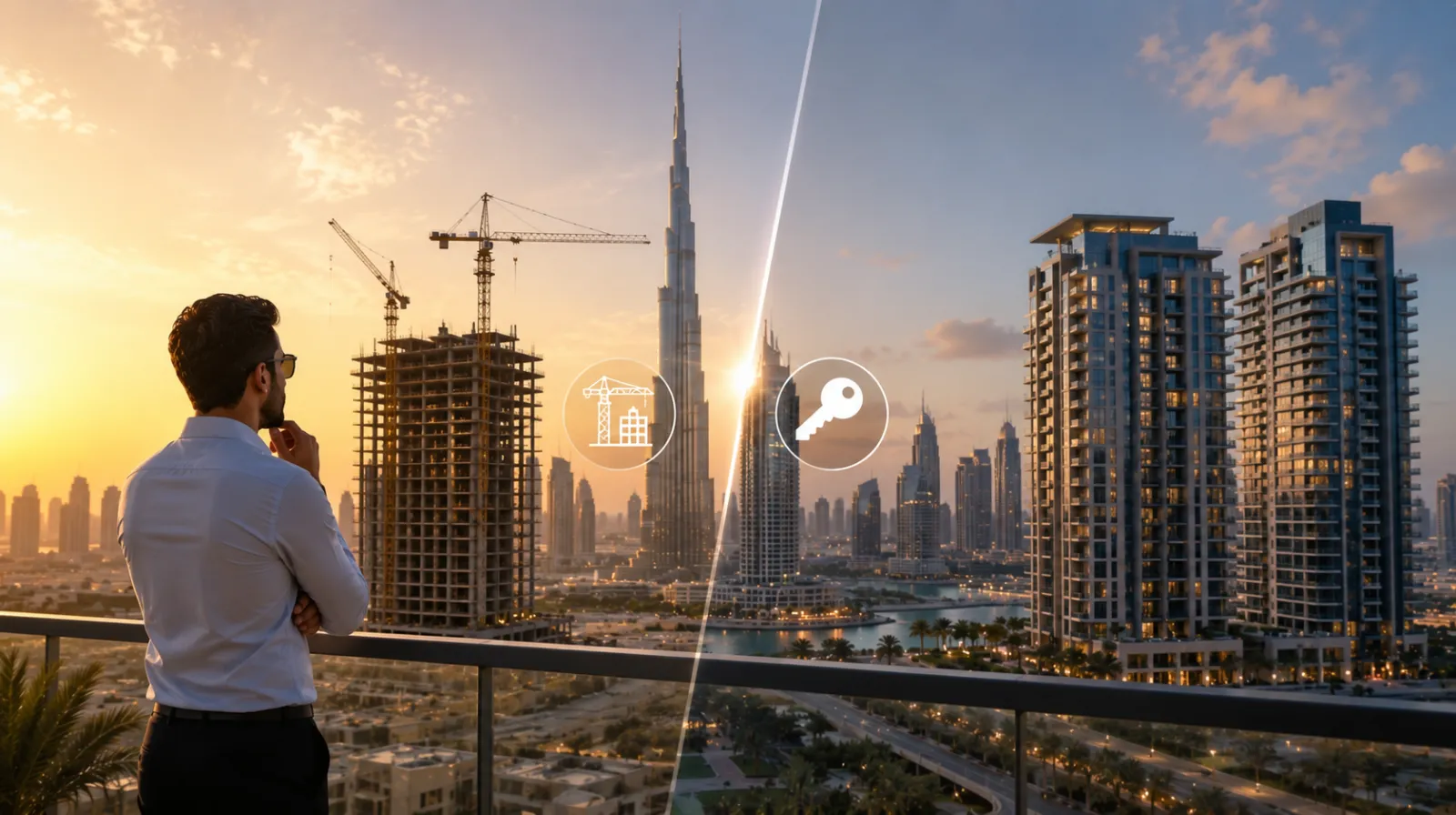
The UAE property market has entered 2026 with strong momentum, and Q1 performance highlights a clear trend: Dubai and Abu Dhabi are at the forefront of this growth. These two emirates continue to dominate due to their economic strength, investor-friendly policies, infrastructure development, and increasing global appeal.
This article explores the key reasons behind the surge, focusing on real market dynamics, demand trends, and structural factors driving growth—using realistic percentage-based insights without relying on price figures.
Strong Demand Driven by Population Growth
One of the primary drivers behind the Q1 2026 surge is population expansion across both emirates.
- Dubai’s population has grown by approximately 3%–4% year-on-year, increasing demand for both rental and owned properties.
- Abu Dhabi has seen a steady population rise of around 2%–3%, particularly driven by job creation in government-backed sectors and free zones.
This population growth translates directly into housing demand, with residential occupancy rates increasing by nearly 5%–7% across key communities.
Why It Matters
Higher population growth leads to:
- Increased demand for housing units
- Reduced vacancy rates
- Upward pressure on property values and rents
High Investor Confidence and Foreign Investment
Investor confidence in the UAE real estate market remains exceptionally strong.
- Foreign investment in Dubai real estate has increased by an estimated 15%–20% in Q1 2026 compared to the same period last year.
- Abu Dhabi has also seen growth in international investment, rising by approximately 10%–14%.
Government initiatives such as long-term visas, residency programs, and business-friendly regulations have made both cities attractive to global investors.
Key Factors Attracting Investors
- Stable economic environment
- Transparent property laws
- High rental yield potential (often 6%–8% in prime areas)
- Safe investment destination compared to global markets
Supply Constraints in Prime Areas
While demand continues to grow, supply in prime locations has not increased at the same pace.
- In Dubai, inventory in premium areas has tightened by approximately 8%–12%.
- Abu Dhabi has seen a similar trend, with high-demand zones experiencing a 6%–10% reduction in available units.
Impact on the Market
- Faster property absorption rates
- Increased competition among buyers
- Shorter listing durations (down by 10%–15%)
Infrastructure Development and Mega Projects
Ongoing infrastructure projects continue to enhance the appeal of both cities.
Dubai
- Expansion of transport networks and smart city initiatives
- Continued development in areas like Dubai South and waterfront communities
- Infrastructure investments contributing to a 12%–18% increase in buyer interest in emerging locations
Know More: Dubai Real Estate Market Analytical Report for Q1/2026
Abu Dhabi
- Growth in cultural districts and tourism-focused developments
- Expansion of business hubs and economic zones
- Infrastructure-driven demand growth of approximately 8%–12%
Rising Rental Demand and Yields
Rental demand has surged significantly in Q1 2026, particularly in Dubai.
- Rental demand in Dubai has increased by approximately 10%–14%
- Abu Dhabi has recorded growth of around 7%–10%
At the same time:
- Rental yields remain strong and stable
- Occupancy rates in prime locations exceed 85%–90%
Why Investors Are Interested
- Consistent rental income
- Lower vacancy risks
- Strong tenant demand from expatriates and professionals
Economic Diversification and Job Creation
Both Dubai and Abu Dhabi continue to diversify their economies beyond oil dependency.
- Growth in sectors like technology, tourism, finance, and logistics has increased employment opportunities by 5%–8%
- New business licenses and company registrations have risen by approximately 10%–15%
This economic activity directly supports the real estate sector by:
- Increasing demand for residential properties
- Driving demand for commercial spaces
- Attracting skilled professionals from abroad
Government Policies and Regulatory Support
Proactive government policies have played a crucial role in boosting the property market.
Key Initiatives
- Long-term residency visas
- 100% foreign ownership in many sectors
- Simplified property ownership processes
These initiatives have contributed to:
- A 12%–18% increase in investor inquiries
- Higher transaction volumes across both emirates
- Improved market transparency and trust
Growth in Off-Plan Property Sales
Off-plan properties continue to dominate transaction volumes in Dubai especially.
- Off-plan sales account for nearly 55%–65% of total transactions in Dubai
- Abu Dhabi has seen off-plan activity increase by around 8%–12%
Why Buyers Prefer Off-Plan
- Flexible payment plans
- Lower entry barriers
- High potential for capital appreciation
Tourism and Short-Term Rental Demand
Tourism remains a key pillar supporting real estate demand.
- Tourist arrivals have increased by approximately 10%–15% in Q1 2026
- Short-term rental occupancy rates have improved by 8%–12%
Dubai, in particular, benefits from:
- Global events and exhibitions
- Strong hospitality sector integration
Abu Dhabi is also gaining traction with:
- Cultural tourism
- Entertainment destinations
Shift Toward Luxury and Branded Residences
Another major trend is the rising demand for luxury properties.
- Luxury property transactions have increased by approximately 12%–18% in Dubai
- Abu Dhabi has seen growth of around 8%–11% in high-end segments
Key Drivers
- High-net-worth individuals relocating to the UAE
- Demand for premium lifestyle and waterfront living
- Growth in branded residences
Technology and Smart Real Estate Trends
The adoption of technology is transforming the property market.
- Online property searches have increased by 20%–25%
- Digital transactions and virtual tours are now widely used
This digital shift:
- Enhances buyer experience
- Increases market transparency
- Speeds up decision-making processes
Key Takeaways
Dubai and Abu Dhabi are leading the UAE property market surge in Q1 2026 due to a combination of strong demand, limited supply, and strategic government initiatives.
Main Drivers:
- Population growth and rising housing demand
- Strong foreign investment inflows
- Supply constraints in prime areas
- Infrastructure and mega developments
- High rental yields and occupancy rates
- Economic diversification and job creation
Read Also: The Key Reasons UAE and Dubai Continue to Outperform Global Markets
FAQ Section
Why is Dubai leading the UAE property market in 2026?
Dubai leads due to higher population growth, stronger foreign investment, and a more active off-plan property sector contributing to increased transaction volumes.
Is Abu Dhabi’s property market also growing?
Yes, Abu Dhabi is experiencing steady growth driven by infrastructure development, economic diversification, and increasing investor interest.
What type of properties are in highest demand?
Luxury properties, off-plan developments, and well-located residential units are currently seeing the highest demand.
Are rental yields still strong in 2026?
Yes, rental yields remain stable, typically ranging between 6%–8%, supported by high occupancy rates and strong tenant demand.
What is driving foreign investment in UAE real estate?
Investor-friendly policies, long-term visas, economic stability, and strong returns are key factors attracting international buyers.