
جزئیات منطقه
Downtown Dubai
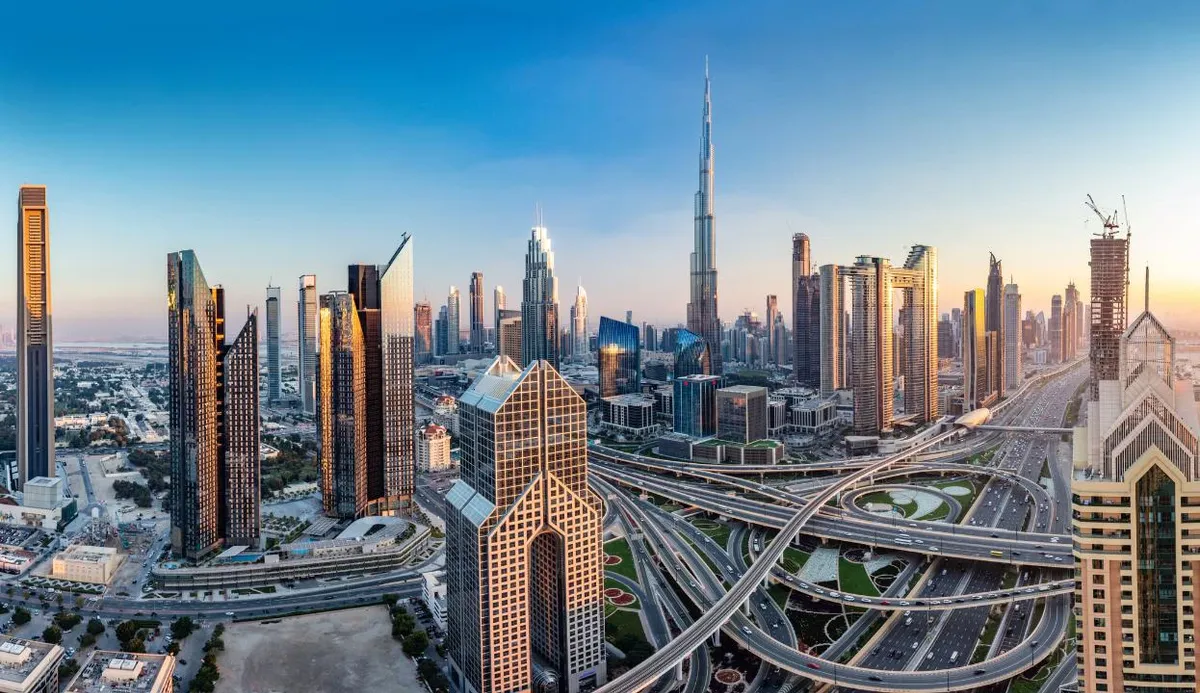
Downtown Dubai is one of Dubai’s most recognised urban districts; an area with a strong concentration of residential towers, commercial spaces, shopping destinations, restaurants, hotels, and city attractions. This district may be worth considering for buyers who prioritise central access, apartment living, proximity to everyday amenities, and being located in one of the city’s most active areas. From a real estate perspective, Downtown Dubai is primarily an apartment-led market in this analysis. The volume of valid apartment transactions allows for a clearer assessment of the benchmark rate, while the villa market has a limited role in this district and the office data is not sufficient for public pricing table display. Therefore, decisions about this area should focus on building quality, unit specifications, the exact tower location, view, floor level, tenancy status, and maintenance-related costs.
Downtown Dubai
Downtown Dubai is one of Dubai’s most recognised urban districts; an area with a strong concentration of residential towers, commercial spaces, shopping destinations, restaurants, hotels, and city attractions. This district may be worth considering for buyers who prioritise central access, apartment living, proximity to everyday amenities, and being located in one of the city’s most active areas. From a real estate perspective, Downtown Dubai is primarily an apartment-led market in this analysis. The volume of valid apartment transactions allows for a clearer assessment of the benchmark rate, while the villa market has a limited role in this district and the office data is not sufficient for public pricing table display. Therefore, decisions about this area should focus on building quality, unit specifications, the exact tower location, view, floor level, tenancy status, and maintenance-related costs.
نمای کلی
خلاصه کوتاه
Downtown Dubai is one of Dubai’s most recognised urban districts; an area with a strong concentration of residential towers, commercial spaces, shopping destinations, restaurants, hotels, and city attractions. This district may be worth considering for buyers who prioritise central access, apartment living, proximity to everyday amenities, and being located in one of the city’s most active areas.
From a real estate perspective, Downtown Dubai is primarily an apartment-led market in this analysis. The volume of valid apartment transactions allows for a clearer assessment of the benchmark rate, while the villa market has a limited role in this district and the office data is not sufficient for public pricing table display. Therefore, decisions about this area should focus on building quality, unit specifications, the exact tower location, view, floor level, tenancy status, and maintenance-related costs.
راهنمای کامل
درباره Downtown Dubai
Overall Area Identity
Downtown Dubai is part of Dubai’s urban and tourism core, with an identity shaped by high-rise towers, pedestrian-oriented routes, shopping destinations, and city attractions. The area is attractive to people who want to live close to urban services, restaurants, leisure destinations, hotels, and key mobility routes.
Living in Downtown Dubai is usually associated with a high level of accessibility, but that access also comes with density, activity, and traffic sensitivity during events and peak periods. For this reason, an end-user buyer should look beyond the area name and review the real day-to-day experience of access, building entry and exit points, parking, distance to the metro, and the surroundings of the tower.
Location and Access
The main advantage of Downtown Dubai is its central position within the city. Access to main roads, the metro, shopping centres, and urban attractions makes this district worth considering for working residents, international buyers, and people who prefer an urban lifestyle.
At the same time, Downtown Dubai is not a quiet, low-density district. During certain times of the day, weekends, holidays, and major events, traffic around the towers and main destinations can affect the daily experience. For buyers who commute by car, reviewing building entry and exit routes and realistic travel times is particularly important.
Lifestyle and Daily Experience
The lifestyle in Downtown Dubai is urban, active, and built around close access to amenities. Residents have access to a range of shops, restaurants, hotels, cafés, walking routes, and leisure spaces. This is attractive for people who want a significant part of their daily and leisure needs to be available within a short distance from home.
For families, Downtown Dubai can be appealing in terms of amenities, services, urban safety, and access to leisure options, but it may not suit every family. Buyers who prefer wider green spaces, a quieter setting, lower-density homes, or villa living should compare this district with other areas that offer a calmer residential environment.
Property Profile and Asset Types
The property profile of Downtown Dubai is mainly apartment-based. Studios, one-bedroom, two-bedroom, and three-bedroom units form the core of the transactions that can be analysed. Serviced and hotel apartments have also been analysed within the apartment category, as they are closer to this group in terms of asset type and transaction behaviour.
In this analysis, no reliable benchmark rate is displayed for villas, because there is no valid transaction sample for that segment. The office row is also not published in the public table, because the required sample sufficiency for public display is not met. Therefore, the public analysis on this page focuses on apartments.
Secondary-Market Benchmark Rate
The apartment benchmark rate in Downtown Dubai, meaning the median secondary-market transaction price within the reviewed transaction period, is AED 2,831.40 per square foot. This figure is useful for understanding the general level of apartment transactions in the area, but it should not be interpreted as the fixed price of any individual unit.
The actual price of each property can vary depending on the building, floor, view, quality of common areas, furnishing status, whether the unit is tenanted or vacant, service charges, payment plan, and legal conditions. For this reason, the benchmark rate should be used as a starting point for comparison, not as a substitute for detailed unit-level review.
| Property type | Median size | Secondary market; median total price | Secondary market; AED per sq ft | Primary market; median total price | Primary market; AED per sq ft |
| Apartment | 1,186.07 sq ft | AED 3,100,000 | 2,831.40 | AED 3,844,999 | 3,822.31 |
| Studio | 478.56 sq ft | AED 1,270,000 | 2,530.32 | AED 1,714,999 | 3,731.49 |
| One-bedroom apartment | 857.67 sq ft | AED 2,150,000 | 2,658.09 | AED 3,284,999 | 3,809.36 |
| Two-bedroom apartment | 1,362.18 sq ft | AED 3,825,000 | 2,832.43 | AED 4,742,499 | 3,217.20 |
| Three-bedroom apartment | 2,021.35 sq ft | AED 6,450,000 | 3,287.87 | AED 15,225,000 | 4,774.69 |
The difference between primary and secondary-market figures in this table should be interpreted with caution. Primary-market projects may differ from secondary-market transactions in terms of construction stage, brand, amenities, payment plan, and unit positioning. A proper comparison should therefore be made between similar units in comparable buildings and under comparable conditions.
Supply, Inventory, and Under-Construction Properties
Downtown Dubai is a large and established district in terms of residential inventory. The supply data records 23,504 existing residential units and 6,874 residential units under construction. Almost the entire inventory falls within the apartment category.
| Metric | Value |
| Existing residential units | 23,504 |
| Residential units under construction | 6,874 |
| Existing apartment units | 23,467 |
| Apartment units under construction | 6,874 |
| Existing villas | 37 |
| Villas under construction | 0 |
| Existing office space | 4,843,542 sq ft |
| Office space under construction | 0 sq ft |
The presence of under-construction properties in the apartment market can create more comparison options for buyers, but it also requires a closer review of project-level competition, expected handover timing, developer quality, payment plan, and the difference between ready and under-construction units. A decision should not be based only on the number of units; the quality of supply, tower location, and entry conditions into the transaction are also important.
Occupancy Rate
In the latest recorded period, the residential occupancy rate in Downtown Dubai was 87.1%, while the office occupancy rate was 87.6%. These figures provide a general view of occupancy at the area level, but final decisions should be reviewed at the building and unit-type level.
| Metric | Latest period | Value |
| Residential occupancy | H2 2025 | 87.1% |
| Office occupancy | H2 2025 | 87.6% |
The area-level occupancy rate can be useful for an initial assessment, but it does not replace reviewing the lease contract, remaining lease term, current rent, service charges, tenant status, and liquidity of similar units. For an investor, the combination of these factors is more important than the occupancy figure alone.
Suitable Buyer and Investor Profiles
Downtown Dubai may be worth considering for buyers who value apartment living, central access, nearby amenities, and a recognised urban identity. The district may suit an end-user buyer looking for an active lifestyle, close services, and access to the metro and central city destinations.
For investors, the main advantage of this district is the comparability of the apartment market and the availability of a sufficient transaction sample for analysis. However, investment outcomes depend on the selected building and unit. Two units with a similar size in Downtown Dubai can behave very differently because of differences in view, floor level, building quality, tenancy status, service charges, and project brand.
Advantages and Considerations
| Advantages | Considerations |
| Central location and good access to urban amenities | Congestion and traffic during events and peak periods |
| Apartment market with an analysable transaction sample | Significant quality differences between buildings and units |
| Access to the metro, shopping centres, and everyday services | Parking, service charges, and tenancy status require careful review |
| Substantial apartment inventory | Under-construction properties may create project-level competition |
| Suitable for an active urban lifestyle | Buyers seeking a quieter or villa-led environment should compare it with other districts |
Homeland Advisory View
In Downtown Dubai, the right decision usually starts with the area, but is ultimately made at the building and unit level. The data indicates that the apartment market in this district is more reliable for analysis than the villa and office segments; therefore, the buyer’s main focus should be on comparing similar apartment units.
Homeland recommends that buyers assess the benchmark rate alongside practical factors: building quality, common-area management, floor level, view, tenancy status, service charges, distance to the metro, parking, liquidity, and purchase objective. For some buyers, Downtown Dubai may align well with an urban lifestyle and central access; for others, quieter or lower-density districts may be a better fit.
Frequently Asked Questions
Is buying property in Downtown Dubai suitable for every buyer?
No. Downtown Dubai is more relevant for buyers who prefer apartment living, central access, and proximity to urban amenities. For those seeking a quieter environment, wider green spaces, or villa living, comparison with other districts is essential.
How should the secondary-market benchmark rate in this area be interpreted?
The apartment benchmark rate in Downtown Dubai is AED 2,831.40 per square foot. This figure represents the median secondary-market transaction price within the reviewed period and should be used as a starting point for comparison, not as the fixed price of any individual unit.
What type of buyer or investor is this district more suitable for?
This district is more suitable for buyers who prefer apartments, urban access, nearby services, and living in the city centre. For investors, the selected project, unit type, tenancy status, and service charges play a decisive role.
What should be reviewed before making a decision about this district?
Building quality, floor level, view, tenancy status, service charges, parking, real access to the metro, surrounding traffic, and comparison with similar units should all be reviewed.
Is Downtown Dubai considered a villa market?
No. In this analysis, there is not enough valid data to analyse the villa market. The main property profile of the district is apartment-led, and decisions should primarily be based on apartment units.
Is primary-market property in Downtown Dubai always better than the secondary market?
No. Primary and secondary-market options should be compared based on the project, payment plan, handover timing, building quality, entry price, unit condition, and buyer objective. The numerical difference in the table does not create a final conclusion by itself.
How should Downtown Dubai be compared with similar districts?
The comparison should be based on budget, property type, lifestyle, access, benchmark rate, building quality, service charges, and purchase objective. Comparing only by the area name or its reputation can lead to an incomplete decision.
For a more precise decision, Downtown Dubai should be compared with similar districts in terms of price, access, lifestyle, and asset type. Homeland can prepare this comparison based on your budget, property type, and purchase objective.