
Area Details
Al Thanayah Fourth
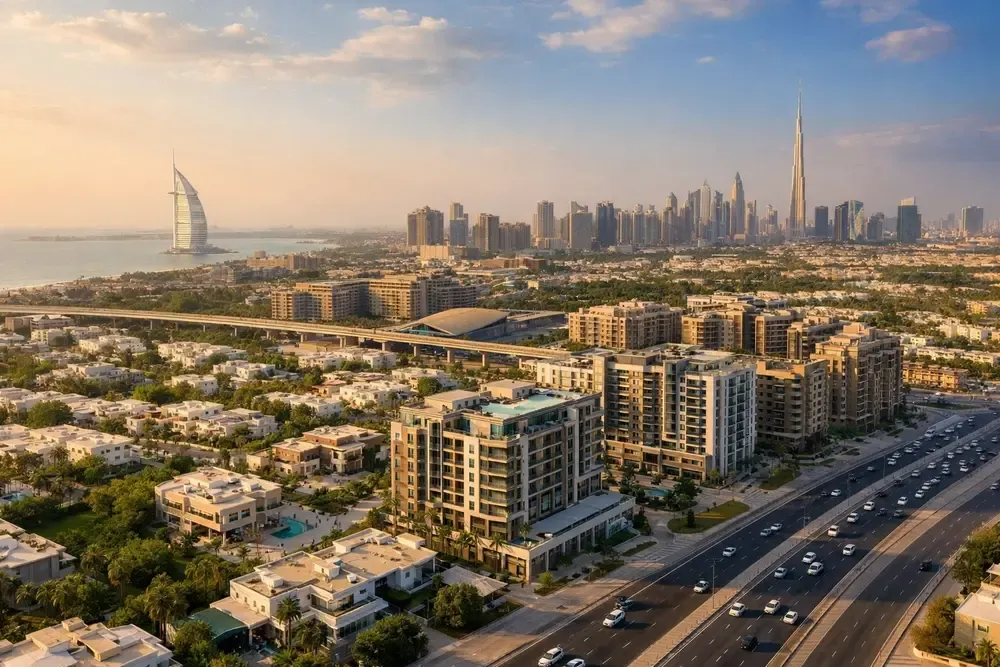
Al Thanayah Fourth is a centrally positioned Dubai district offering a balance of urban convenience and residential calm. Located near major business hubs and arterial road networks, the area appeals to professionals and families seeking accessibility, established infrastructure, and long-term real estate stability. Its proximity to commercial zones, leisure destinations, and transport corridors makes it a practical choice for end-users and investors alike.
Al Thanayah Fourth
Al Thanayah Fourth is a centrally positioned Dubai district offering a balance of urban convenience and residential calm. Located near major business hubs and arterial road networks, the area appeals to professionals and families seeking accessibility, established infrastructure, and long-term real estate stability. Its proximity to commercial zones, leisure destinations, and transport corridors makes it a practical choice for end-users and investors alike.
Snapshot
Short Overview
Al Thanayah Fourth is a centrally positioned Dubai district offering a balance of urban convenience and residential calm. Located near major business hubs and arterial road networks, the area appeals to professionals and families seeking accessibility, established infrastructure, and long-term real estate stability. Its proximity to commercial zones, leisure destinations, and transport corridors makes it a practical choice for end-users and investors alike.
Full Guide
About Al Thanayah Fourth
Al Thanayah Fourth Dubai – Complete Area Guide
Al Thanayah Fourth is a well-established urban district in Dubai, strategically positioned between key commercial, residential, and leisure destinations. Known for its functional planning and connectivity, the area forms part of a broader cluster of centrally located neighborhoods that support both residential living and business activity. It benefits from mature infrastructure, direct access to major highways, and proximity to employment centers, making it a consistently relevant location within Dubai’s real estate landscape.
The area has evolved as a practical residential and mixed-use zone rather than a high-density tourist district, which contributes to its stable occupancy levels and long-term demand. Al Thanayah Fourth appeals to residents seeking efficient city living without the congestion associated with core downtown zones. From an investment perspective, the neighborhood is considered a mid-market location with resilient rental demand and moderate capital appreciation patterns.
Its positioning places it within reach of Dubai’s most prominent commercial corridors, while still maintaining a neighborhood character supported by local amenities, community services, and established road networks. This balance has allowed Al Thanayah Fourth to maintain steady interest among tenants and buyers looking for functional urban living in Dubai.
Nearby Areas & Accessibility
Al Thanayah Fourth is surrounded by some of Dubai’s most recognizable and strategically important districts. It sits close to business-focused areas such as Barsha Heights, Dubai Internet City, and Dubai Media City, making it particularly attractive to professionals working in technology, media, finance, and corporate services.
The area enjoys direct connectivity to Sheikh Zayed Road, one of Dubai’s primary transport arteries, allowing efficient travel north toward Dubai Marina and Jebel Ali or south toward Downtown Dubai and Business Bay. Al Khail Road is also easily accessible, providing an alternative route that links the area to residential communities, logistics hubs, and industrial zones across the city.
Dubai International Airport is typically reachable within a 30-minute drive, depending on traffic conditions, while Al Maktoum International Airport can be accessed via major highways within approximately 40 minutes. Popular leisure destinations such as Dubai Marina, Palm Jumeirah, and Jumeirah Beach are all within a short driving distance, enhancing the area’s lifestyle appeal.
Public transportation options include nearby metro stations along the Red Line, as well as bus routes that connect Al Thanayah Fourth to surrounding neighborhoods. This accessibility supports daily commuting and reduces reliance on private vehicles for residents working in nearby business districts.
Lifestyle Appeal
The lifestyle in Al Thanayah Fourth is defined by convenience, efficiency, and accessibility rather than resort-style living. Residents benefit from being close to work, retail, dining, and entertainment hubs while living in an area that remains relatively calm compared to high-tourism zones.
The neighborhood suits professionals, couples, and small families who prioritize location and connectivity. Daily routines are simplified by the short commute times to offices, schools, healthcare facilities, and shopping centers. Cafés, casual dining outlets, and neighborhood retail clusters support a practical, urban lifestyle.
Evening and weekend leisure options are easily accessible, with entertainment districts, beaches, and malls located a short drive away. This allows residents to enjoy Dubai’s wider lifestyle offerings without living in heavily congested areas. The overall environment supports a balanced routine that combines work, social activities, and residential comfort.
Facilities & Amenities
Al Thanayah Fourth benefits from proximity to a wide range of facilities and amenities that support everyday living. Retail needs are met through nearby shopping centers, supermarkets, and convenience stores offering essential goods and services. Larger malls and lifestyle destinations are accessible within minutes, providing access to fashion retail, dining, cinemas, and entertainment venues.
Healthcare facilities, including clinics and hospitals, are located within neighboring districts, ensuring residents have access to primary and specialized medical services. Educational institutions, including nurseries, schools, and higher education facilities, are also situated within a short commuting radius, making the area suitable for families with children.
Recreational amenities include fitness centers, walking paths, and nearby parks, while beaches and waterfront promenades are easily reachable for weekend activities. Places of worship serving different communities are located within the surrounding areas, supporting cultural and religious diversity.
The availability of these amenities contributes to the area’s livability and reinforces its position as a functional residential district within Dubai’s urban framework.
Key Projects & Developers
Al Thanayah The fourth feature is developments by several prominent developers active within Dubai’s real estate market. Notable developer presence and projects in and around the area include:
- Emaar
- Nakheel
- Damac
- Select Group
- Omniyat
Key projects in the wider Al Thanayah and surrounding zones include mixed-use residential buildings, serviced developments, and mid-rise residential communities designed to support long-term occupancy and rental demand.
Demographics
The demographic profile of Al Thanayah Fourth is diverse yet predominantly professional. Residents typically include mid- to high-income expatriates working in nearby business districts, along with a smaller proportion of families and long-term residents. The area also attracts corporate tenants seeking proximity to employment hubs.
The community is internationally diverse, reflecting Dubai’s broader population composition. This diversity supports a range of cultural amenities, dining options, and community services.
Real Estate Overview
The real estate landscape in Al Thanayah Fourth is primarily composed of apartments and mixed-use residential developments, with a focus on functionality and accessibility rather than ultra-luxury positioning. Buildings in the area generally feature practical layouts, modern finishes, and amenities designed to support daily urban living.
Average apartment prices typically depend on building age, location, and amenities. Rental values remain competitive compared to neighboring premium districts, supporting consistent demand for property for rent. Annual rental yields in the area commonly range between 6% and 7%, positioning Al Thanayah Fourth as a stable income-generating location.
The area also sees steady interest from buyers exploring property for sale in Dubai who prioritize location, efficiency, and long-term rental performance. Floor plan designs across developments tend to emphasize space efficiency, practical layouts, and livability, catering to professionals and small households.
Occupancy rates remain high due to the area’s proximity to employment centers and transportation corridors, reinforcing its appeal within Dubai’s mid-market real estate segment.
Market Trends & Future Outlook
Al Thanayah Fourth continues to benefit from Dubai’s broader urban development strategy, which emphasizes infrastructure investment, transport connectivity, and sustainable growth. The area’s mature infrastructure limits oversupply risks while supporting consistent demand.
Market trends indicate stable pricing with gradual appreciation driven by location advantages rather than speculative growth. Rental demand remains resilient due to the steady influx of professionals working in nearby commercial districts. Infrastructure upgrades, road improvements, and ongoing development in surrounding areas are expected to further enhance accessibility and desirability.
Future outlook for Al Thanayah Fourth remains positive, particularly for investors seeking reliable rental income rather than short-term price volatility. The area’s role as a supporting residential district for major business hubs ensures its continued relevance within Dubai’s evolving real estate market.
Conclusion
Al Thanayah Fourth stands out as a practical, well-connected Dubai neighborhood offering long-term residential and investment value. Its strategic location, established infrastructure, and proximity to key business and lifestyle destinations make it a dependable choice for residents and investors alike.
While it may not offer the glamour of waterfront or luxury districts, Al Thanayah Fourth delivers consistent performance, livability, and accessibility. For those seeking functional urban living or stable real estate returns within Dubai, the area remains a solid and future-ready option.
FAQs – Al Thanayah Fourth Dubai
1.Where is Al Thanayah Fourth located in Dubai?
Al Thanayah Fourth is centrally located in Dubai, near major business districts such as Dubai Internet City, Dubai Media City, and Barsha Heights, with direct access to Sheikh Zayed Road.
2.Is Al Thanayah Fourth a good area to live in?
Yes, Al Thanayah Fourth is considered a practical and convenient area to live, offering strong connectivity, nearby amenities, and proximity to workplaces, making it ideal for professionals and small families.
3.What types of properties are available in Al Thanayah Fourth?
The area primarily features apartments and mixed-use residential buildings designed for urban living, with modern layouts and access to essential amenities.
4.Is Al Thanayah Fourth suitable for real estate investment?
Al Thanayah Fourth is attractive for investors due to its stable rental demand, consistent occupancy levels, and location near key commercial hubs in Dubai.
5.What is the average rental yield in Al Thanayah Fourth?
Rental yields in Al Thanayah Fourth generally range between 6% and 7%, supported by strong demand from professionals working in nearby business districts.
6.How accessible is public transportation in Al Thanayah Fourth?
The area benefits from nearby metro stations, bus routes, and major road networks, allowing easy commuting across Dubai without heavy reliance on private vehicles.
7.How far is Al Thanayah Fourth from key Dubai landmarks?
Dubai Marina, Palm Jumeirah, Downtown Dubai, and major beaches are all reachable within approximately 10 to 25 minutes by car, depending on traffic.