
Area Details
Umm Al Sheif
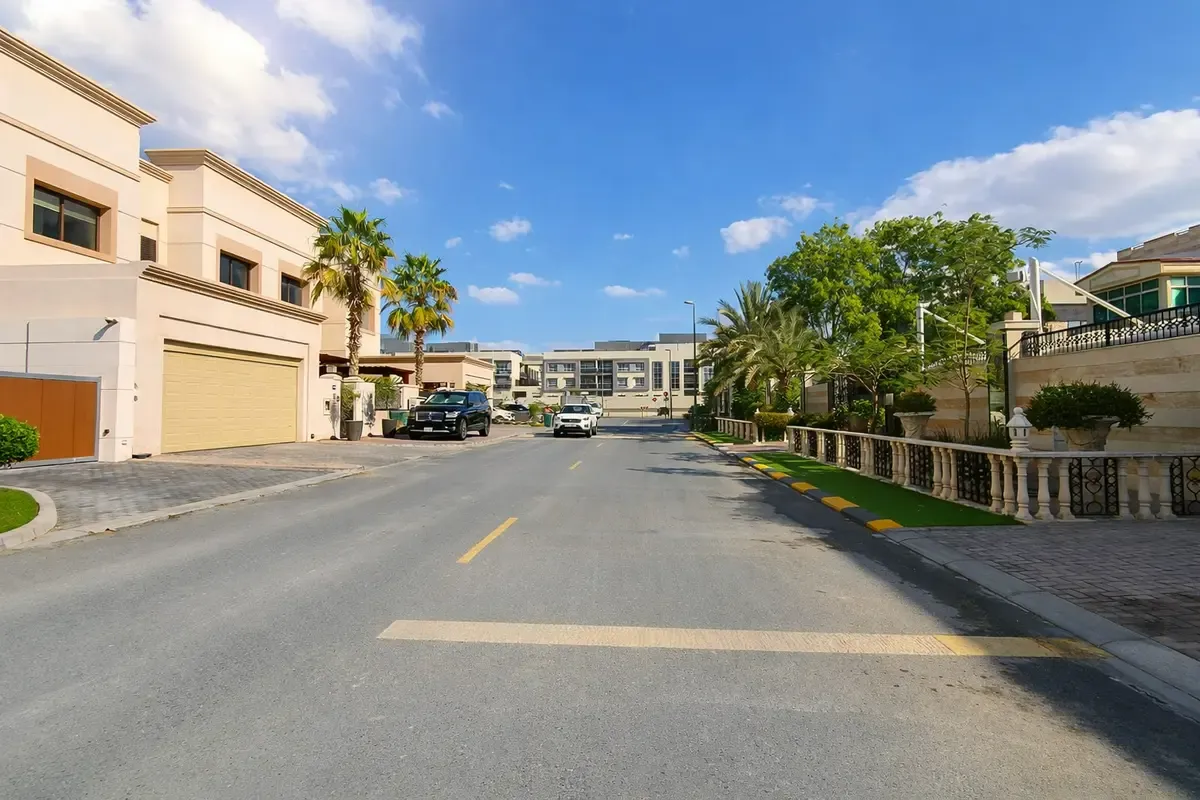
Umm Al Sheif is a low-density residential neighborhood in western Dubai known for its calm streets, family-oriented environment, and central location. Positioned near major arterial roads, Umm Al Sheif offers easy access to business districts, beaches, and lifestyle destinations while maintaining a private suburban character. The area appeals to residents seeking space, privacy, and long-term stability within Dubai’s established urban fabric.
Umm Al Sheif
Umm Al Sheif is a low-density residential neighborhood in western Dubai known for its calm streets, family-oriented environment, and central location. Positioned near major arterial roads, Umm Al Sheif offers easy access to business districts, beaches, and lifestyle destinations while maintaining a private suburban character. The area appeals to residents seeking space, privacy, and long-term stability within Dubai’s established urban fabric.
Snapshot
Short Overview
Umm Al Sheif is a low-density residential neighborhood in western Dubai known for its calm streets, family-oriented environment, and central location. Positioned near major arterial roads, Umm Al Sheif offers easy access to business districts, beaches, and lifestyle destinations while maintaining a private suburban character. The area appeals to residents seeking space, privacy, and long-term stability within Dubai’s established urban fabric.
Full Guide
About Umm Al Sheif
Comprehensive Area Guide – Umm Al Sheif
Umm Al Sheif is a well-established residential community located in western Dubai, characterized by its quiet ambiance, spacious plots, and predominantly low-rise development. Umm Al Sheif sits between some of the city’s most prominent neighborhoods, making it a strategically positioned area that balances accessibility with privacy. Unlike high-density urban districts, Umm Al Sheif has retained a suburban identity that attracts families, professionals, and long-term residents seeking a peaceful lifestyle.
The character of Umm Al Sheif is defined by wide internal roads, mature landscaping, and a limited number of residential units, which helps preserve exclusivity and low traffic volumes. Umm Al Sheif has not undergone aggressive vertical development, allowing it to maintain a consistent architectural profile and a stable residential environment. This stability has positioned Umm Al Sheif as a resilient neighborhood within Dubai real estate, appealing to buyers focused on long-term occupancy rather than short-term speculation.
From a market perspective, Umm Al Sheif occupies a niche segment of Dubai real estate that prioritizes land value and lifestyle quality over density. The neighborhood’s planning structure supports privacy and generous setbacks, contributing to its reputation as a premium yet understated residential location.
Nearby Areas & Accessibility
Umm Al Sheif benefits from excellent connectivity to key destinations across Dubai, making Umm Al Sheif a practical choice for residents who value convenience. The community is bordered by Jumeirah, Al Sufouh, and Umm Suqeim, placing Umm Al Sheif within close proximity to both residential and commercial hubs. This central positioning allows residents of Umm Al Sheif to access a wide range of amenities without long commute times.
Sheikh Zayed Road runs just east of Umm Al Sheif and serves as the primary arterial route linking the area to Downtown Dubai, Business Bay, DIFC, and Dubai Marina. Travel times from Umm Al Sheif to Downtown Dubai typically range between 15 and 20 minutes under normal traffic conditions. Dubai International Airport is approximately 25 minutes away, while Al Maktoum International Airport can be reached in around 35 to 40 minutes via major highways.
Umm Al Sheif is also close to coastal destinations, with Jumeirah Beach accessible in under 10 minutes. Mall of the Emirates is located roughly 8 minutes from Umm Al Sheif, providing convenient access to one of Dubai’s major retail and entertainment centers. Public transportation options near Umm Al Sheif include nearby metro stations along Sheikh Zayed Road and a network of bus routes serving surrounding neighborhoods, although private vehicles remain the primary mode of transport for residents.
Lifestyle Appeal
The lifestyle in Umm Al Sheif is centered around privacy, comfort, and low-density living. Umm Al Sheif appeals strongly to families and professionals who prefer a calm residential setting while remaining close to the city’s commercial and leisure zones. The absence of high-rise buildings in Umm Al Sheif contributes to a quieter atmosphere and reduced congestion, which is increasingly valued within Dubai real estate markets.
Daily life in Umm Al Sheif is shaped by its residential focus and proximity to lifestyle destinations. Cafés, beachfront promenades, fitness studios, and dining venues in nearby Jumeirah and Umm Suqeim enhance the living experience for Umm Al Sheif residents. The neighborhood supports an outdoor-oriented lifestyle, with easy access to walking routes and open spaces in surrounding areas.
Umm Al Sheif also offers a sense of community that is less transient than high-density districts. Many residents choose Umm Al Sheif for long-term living, contributing to neighborhood stability and consistent occupancy levels. This enduring appeal has helped Umm Al Sheif maintain steady demand across different market cycles.
Facilities & Amenities
Facilities and amenities surrounding Umm Al Sheif are extensive, despite the neighborhood’s primarily residential nature. Umm Al Sheif residents benefit from proximity to multiple supermarkets, convenience stores, and retail outlets located in adjacent communities. Shopping centers such as Mall of the Emirates and smaller neighborhood retail clusters provide everyday essentials within minutes of Umm Al Sheif.
Educational facilities near Umm Al Sheif include a selection of international schools offering British, IB, and American curricula, as well as nurseries and early learning centers. This accessibility to education is a key factor driving family demand within Umm Al Sheif. Healthcare services are equally accessible, with clinics and hospitals located in Al Barsha, Jumeirah, and Al Sufouh serving the Umm Al Sheif population.
Religious facilities near Umm Al Sheif include mosques within walking distance and additional places of worship in nearby districts. Fitness centers, sports clubs, and yoga studios are readily available, while public beaches and parks in Jumeirah provide recreational options for residents of Umm Al Sheif seeking outdoor activities.
Key Projects & Developers
Umm Al Sheif features limited large-scale developments, reinforcing its low-density character. Key developers with a presence in and around Umm Al Sheif include private local developers delivering bespoke residential projects, as well as nearby developments by Meraas in Jumeirah, Emaar in surrounding mixed-use districts, and Nakheel projects along the coastal corridor. Residential plots and custom-built homes form the core of development activity within Umm Al Sheif, with minimal involvement from mass-market developers.
Demographics
The demographic profile of Umm Al Sheif is predominantly composed of families, senior professionals, and long-term residents. Umm Al Sheif attracts both Emirati households and expatriates seeking stability, space, and privacy. The community has a mature population profile, with fewer short-term tenants compared to high-density rental zones, reinforcing Umm Al Sheif’s reputation as a settled residential neighborhood.
Real Estate Overview
Umm Al Sheif is primarily known for its low-rise residential inventory, with a strong emphasis on villas and independent residential plots. Apartments are extremely limited within Umm Al Sheif, which differentiates it from surrounding districts where apartments for sale in Dubai are more prevalent. The real estate profile of Umm Al Sheif is shaped by generous plot sizes, private gardens, and standalone properties rather than multi-unit developments.
Property values in Umm Al Sheif reflect its land-driven market dynamics. Average property values in Umm Al Sheif vary based on plot size, property condition, and proximity to major road networks, with well-located homes typically commanding stronger market interest. Luxury villas for sale in Dubai within Umm Al Sheif typically command premium pricing due to limited supply and consistent demand from end users.
Rental demand in Umm Al Sheif remains stable, with annual yields averaging between 4% and 6%, aligning with other villa-dominated communities in central Dubai. Property for rent in Dubai within Umm Al Sheif is often driven by long-term leases, contributing to high occupancy rates that commonly exceed 85% throughout the year.
Market Trends & Future Outlook
Market trends in Umm Al Sheif indicate steady performance supported by limited supply and sustained end-user demand. Unlike emerging districts dominated by off-plan projects, Umm Al Sheif operates as a mature market where value appreciation is driven by land scarcity and location rather than new inventory launches. This dynamic has helped Umm Al Sheif maintain resilience during broader market fluctuations.
Recent transaction data shows consistent interest in property for sale in Dubai within Umm Al Sheif, particularly for well-maintained villas and redevelopment plots. While price growth is moderate compared to high-growth corridors, Umm Al Sheif benefits from lower volatility and predictable demand patterns. Infrastructure upgrades in surrounding areas continue to enhance accessibility, indirectly supporting long-term value growth in Umm Al Sheif.
Looking ahead, Umm Al Sheif is expected to retain its residential character, with limited redevelopment and no large-scale zoning changes anticipated. This preservation of low-density planning supports the neighborhood’s appeal to buyers prioritizing stability and exclusivity within Dubai real estate.
Conclusion
Umm Al Sheif stands out as a discreet yet strategically located residential community within Dubai. Its low-density layout, central accessibility, and established infrastructure make Umm Al Sheif particularly attractive to families and long-term residents seeking a balanced lifestyle. With stable pricing, strong occupancy, and limited supply, Umm Al Sheif continues to hold a distinct position in Dubai real estate as a neighborhood defined by privacy, longevity, and enduring appeal.