
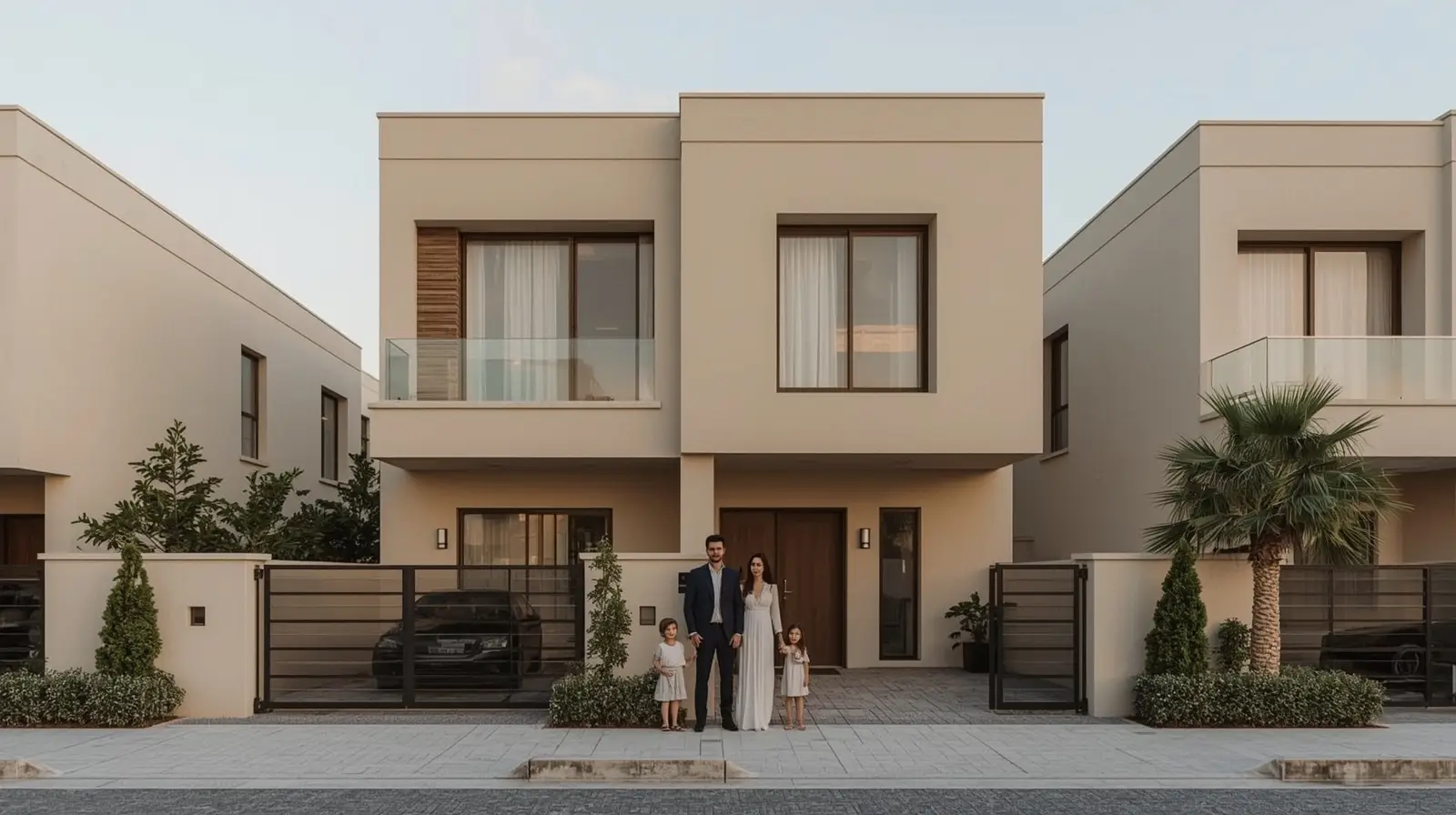
What Is a Townhouse in Dubai? Complete Buyer Guide
Aug 23, 2026

Blog Detail
Learn when landlords can increase rent in Dubai. Simple RERA rules explained for tenants and expats to avoid unfair rent hikes.
Article
Dubai’s rental market is dynamic, with rent increases making headlines in recent years. If you’re an expat tenant in Dubai, you might wonder under what conditions your landlord can raise the rent. The good news is that rent hikes are tightly regulated by Dubai’s Real Estate Regulatory Agency (RERA) to protect tenants from unfair surges. For expats browsing Properties For Rent in Dubai, it’s essential to understand these rules to avoid surprises at lease renewal. In this conversational guide, we’ll break down when and how a landlord can increase rent in Dubai, what RERA’s regulations say, and what rights and options you have as a tenant. Let’s explore Dubai’s rent increase laws in simple terms, backed by the official RERA rules.
Dubai has clear laws to govern the landlord-tenant relationship, and RERA (Real Estate Regulatory Agency) is the authority that oversees these rules. RERA, a part of the Dubai Land Department (DLD), ensures transparency and fairness in the rental market. In fact, RERA provides an official Rental Index for different areas and property types, which forms the basis for allowable rent increases. This means landlords cannot arbitrarily raise the rent — any increase has to be justified against the market average as determined by RERA’s index.
To put it simply, Dubai law protects tenants from sudden or excessive rent hikes. Key legislation like Dubai’s Law No. 26 of 2007 (amended by Law 33 of 2008) and Decree No. 43 of 2013 outline how rent can be increased and set maximum caps on increases. RERA uses these laws to regulate the process. The goal is to strike a balance: landlords can adjust rent to reflect market conditions, but tenants get stability and advance notice.
Landlords in Dubai can only increase rent at the time of renewing the tenancy contract, not during an ongoing lease term. Tenancy contracts are typically for one year, and any rent adjustment happens upon renewal. Crucially, the law requires that your landlord must notify you at least 90 days in advance if they intend to raise the rent or change other lease terms. In other words, about three months before your lease expires, you should either receive a written notice of the proposed new rent or an indication that the terms will remain the same. If this 90-day notice isn’t given, any rent increase is invalid and can be legally contested. This rule protects you from last-minute surprises, giving you time to plan or negotiate.
It’s also worth noting that if a landlord does not notify you of any changes within that window, the tenancy typically rolls over on the same terms as before. Dubai’s Law 33 of 2008 (Article 14) states that without proper notice, the lease renews under the existing rent amount and conditions. So, if your landlord forgets or fails to inform you in time, you are generally entitled to continue at the same rent for the next year.
Regular rent increases aside, there are scenarios where a landlord might want to end the tenancy (often to sell the property or use it themselves). Even then, strict notice rules apply. For instance, if a landlord intends to evict a tenant to sell the property or move in with a family member, they must give at least 12 months’ written notice, delivered through a notary public or registered mail. They can’t just use a rent increase as a pretext to force you out without this extended notice. This 12-month rule (outlined in Article 25 of Law 33/2008) is another layer of protection so tenants have ample time to make plans in case of genuine eviction situations. In summary, no sudden evictions or extreme rent jumps are allowed under Dubai’s laws – everything follows a clear process and timeline.
So, how much can your landlord increase the rent, assuming they followed the 90-day notice rule? This is where RERA’s guidelines kick in. Dubai’s Decree No. 43 of 2013 established a rent increase cap tied to the RERA Rental Index (the average market rent for similar properties in your area). The increase, if any, depends on how your current rent compares to this index:
These caps mean, for example, if you are paying significantly under the typical rate for your neighborhood (say your rent is 25% under the going rate), the landlord may be permitted a moderate increase (around 10%). But if you’re already paying market rate, they cannot increase rent at all that year. This tiered system prevents unreasonable hikes while still allowing adjustments when a rent is far below market value.
How do you know the “average market rent” for your area? RERA provides a Rental Index Calculator on the DLD website where anyone can input the property details (location, number of bedrooms, etc.) and the current rent to check what increase (if any) is permitted. This tool instantly tells you the maximum new rent your landlord can legally ask for upon renewal. It’s updated regularly to reflect market trends (for instance, RERA updated the index in early 2024 to mirror the latest prices). Both landlords and tenants are encouraged to use this calculator to make informed decisions. It’s an invaluable resource that takes the guesswork out of rent negotiations by grounding them in official data.
Important: The rent increase rules apply at renewal time. Landlords cannot raise rent mid-lease, nor more frequently than once per lease period. Dubai abolished any old general rent caps or freezes; now everything is case-by-case via the RERA index. The highest increase you’d ever face is 20%, and that’s only if you were paying way below the prevailing market rate. In many cases, the allowed increase is much smaller or zero. Always double-check the RERA index for your area each year – it’s your benchmark for what’s legal.
Dubai’s laws are quite tenant-friendly when it comes to rent increases. As a tenant, you have every right to question or refuse an illegal rent hike. If your landlord either fails to give 90 days notice or proposes an increase above the RERA-defined limit, you can legally refuse to pay the higher rent. The landlord in that case has no grounds to evict you simply for saying no to an unlawful increase. The existing contract terms would continue as is, or you can negotiate a more reasonable figure.
What if you believe the increase is not justified? Start by having a polite conversation with your landlord. It might be a simple mistake where they haven’t checked the RERA calculator. Provide them the RERA Rental Index result for your property to show what percentage (if any) is allowed. Often, evidence from the official index can resolve any dispute amicably. Remember, many landlords are also just following what they think is allowed, and presenting the official data can clear up misunderstandings.
If talking it out doesn’t work, Dubai has a formal channel for disputes: the Rent Disputes Settlement Centre (RDSC) at the Dubai Land Department. As a tenant, you can file a case with the RDSC if you firmly believe your landlord is violating the law. There is a fee (about 3.5% of your annual rent) to file a complaint, but if you win the case, the tribunal may order the landlord to bear these costs. The RDSC will review the evidence (your current contract, the notice given, the RERA index data, etc.) and make a legally binding decision. In many instances, just informing a stubborn landlord that you’re prepared to go to RDSC (and that you know your rights) is enough to bring them back to the negotiating table.
Aside from rent prices, Dubai’s rental laws also protect you from arbitrary eviction. As discussed, a landlord can’t kick you out just to raise rent. They need a legitimate reason (like wanting to sell the property or use it for family) and must follow the 12-month notice rule for those cases. Even if such a notice is given, you as a tenant can remain for the duration of that period and only then vacate, or challenge the notice if it doesn’t meet legal requirements. Also, if a landlord falsely evicts you claiming self-use or sale and then re-rents the property at a higher price shortly after, they can face legal penalties – the law discourages using false pretenses just to get a new tenant at a higher rent.
In summary, tenants have strong rights in Dubai: the right to advance notice, the right to a capped reasonable increase, and the right to challenge anything that doesn’t line up with RERA’s rules. Always keep records (notices, communications, your Ejari tenancy registration, etc.) so you have evidence if needed. But rest assured, the legal framework is on your side to prevent exploitation.
Navigating rent increases becomes much easier when you stay informed and proactive. Here are some final tips to help you as a tenant in Dubai:
Renting a home in Dubai should be a transparent and fair experience thanks to RERA’s regulations. Yes, a landlord can increase rent in Dubai but only under the rules and limits we’ve discussed. By knowing these RERA rules, you won’t be caught off guard. The combination of the 90-day notice requirement and the rent increase cap means there’s no room for unwelcome surprises at contract renewal.
Latest Blogs
Aug 23, 2026

Aug 19, 2026

Aug 16, 2026

Aug 14, 2026

Aug 9, 2026