
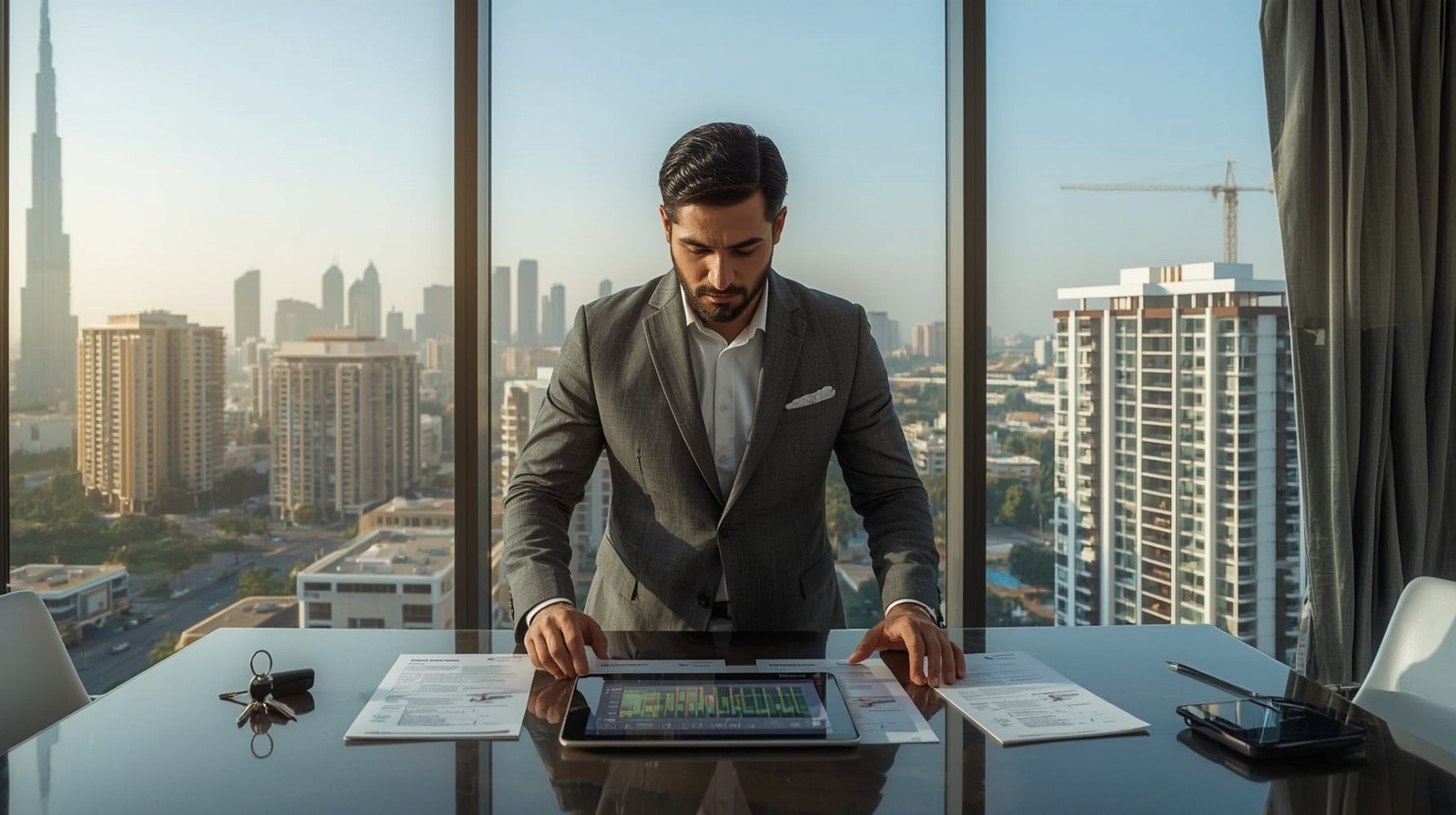
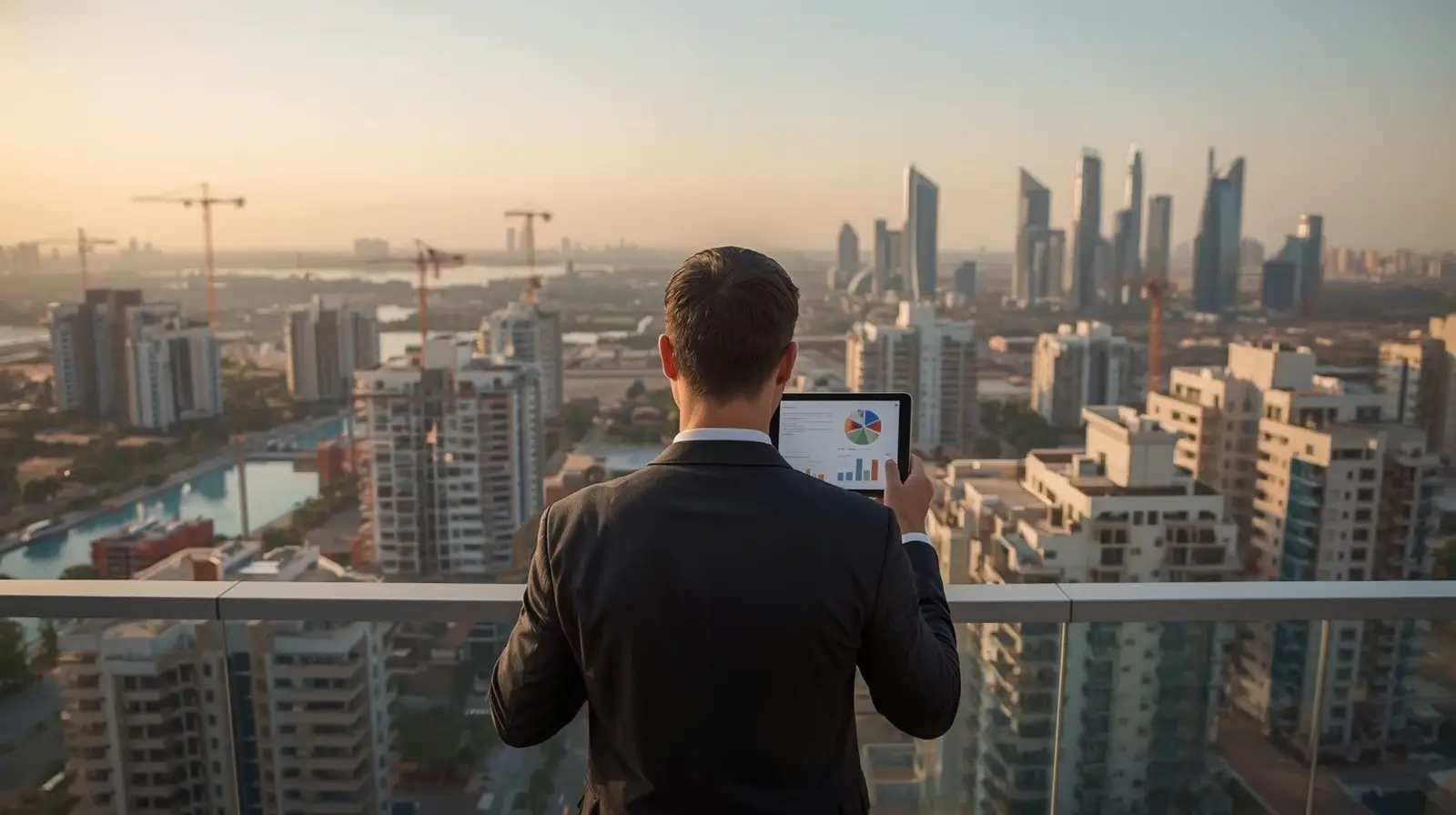
Rising Construction Costs and Dubai Property Prices: What Buyers Need to Know
Sep 18, 2026
Blog Detail
Discover the importance of Makani Number in Dubai, its role in real estate transactions, and how it simplifies navigation. Learn how to use it efficiently!
Article
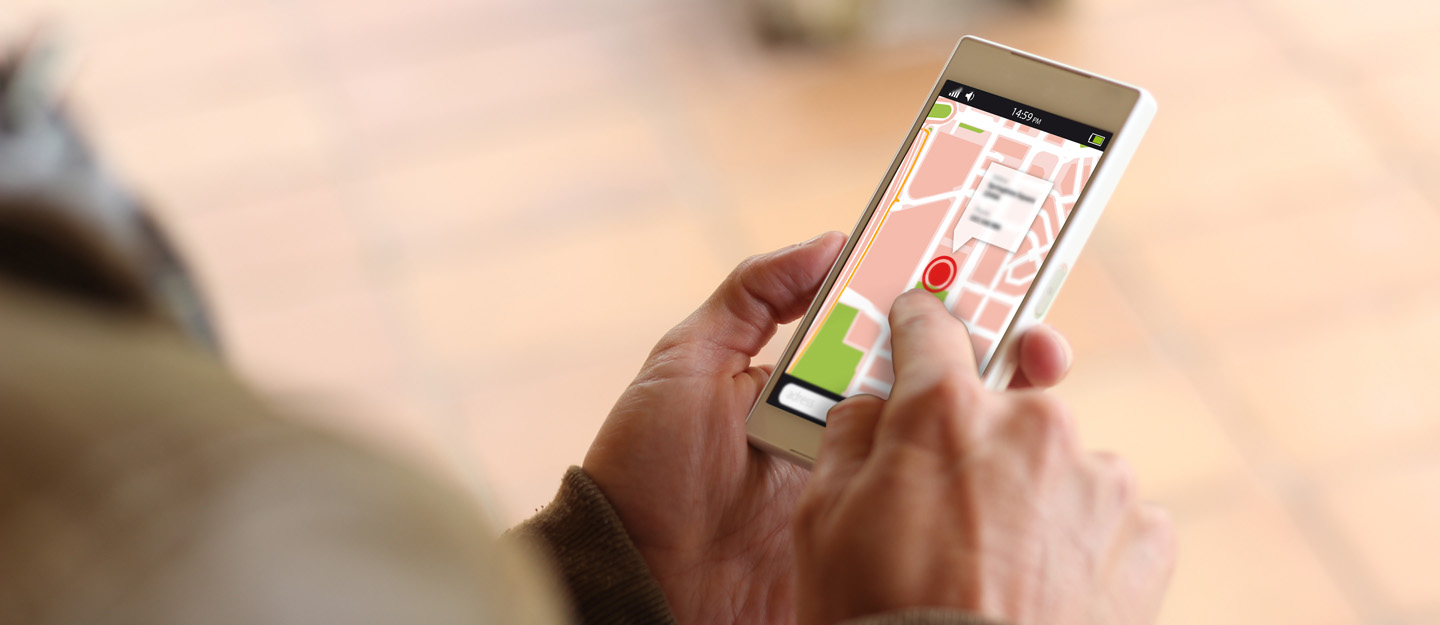
Dubai’s Makani Number is a modern addressing system that makes finding any location in the city precise and simple. Introduced by the Dubai Municipality in 2015, the Makani system assigns a unique 10-digit code to every building entrance, villa gate, and land plot in the emirate. In effect, each Makani Number is a digital “address” tied to exact GPS coordinates. Unlike traditional street addresses or landmarks, a Makani Number pinpoints a place to within a few meters. By using geo-tagging technology, Dubai Municipality ensures that any spot in the city – from a towering skyscraper to a residential villa – can be located instantly on a map.
Dubai’s rapid growth and complex road network made conventional addresses increasingly confusing. To solve this, the city government created the Makani system – literally meaning “my location” in Arabic. In practice, residents and service providers now use Makani Numbers to navigate and share locations accurately. By combining the code with digital maps, a driver or emergency responder can be guided to the exact entrance of a building, rather than relying on vague directions. Today the Makani Number is not only the official address standard for Dubai, but has also been adopted in other emirates (Ajman, RAK, Fujairah, Umm Al Quwain) as part of a unified national addressing plan.
The introduction of Makani transformed navigation in Dubai. Traditional addresses often involve long descriptions, landmark references, and Arabic street names that can vary in spelling. In a multilingual city with new developments appearing constantly, this led to confusion and delays. Makani cuts through that uncertainty. Because each 10-digit code is tied directly to a fixed geographic point, there is no ambiguity: two buildings in the same community cannot have the same Makani Number. In fact, each entrance of a large complex is given its own code so that even multi-tower developments are uniquely identified (for example, different gates of a gated community have different Makani Numbers).
This precision has major practical benefits. Emergency services (police, ambulance, fire) now rely on Makani to find people in need without wasting time. Ambulance drivers or fire crews can be given a 10-digit code and drive straight to the exact address. Likewise, delivery and logistics companies use Makani to reduce missed or delayed deliveries. Instead of callers shouting out details over the phone, they simply give the Makani Number and share it via GPS-enabled apps. This universality also overcomes language barriers: numbers are read the same regardless of one’s native language. For tourists and newcomers – who may not know local street names – sharing a Makani Number guarantees they will arrive at the intended spot. In summary, Makani makes navigation faster, safer, and more reliable across Dubai.
Traditional addressing relies on street names, building numbers, and landmarks. These can be imprecise – for example, two entrances to the same complex might share an address, or a street name may have multiple branches. By contrast, the Makani Number is a simple 10-digit code that maps to an exact GPS coordinate. You don’t need to remember an entire street address or describe how to reach it; just share the Makani Number and a digital map or the Makani app will take you there.
| Addressing Method | Traditional Address | Makani Number |
| Precision | Uses street names/landmarks (sometimes vague) | Tied to exact GPS coordinates (pinpoint accuracy) |
| Ease of Sharing | Lengthy descriptions or local knowledge needed | Simple 10-digit code that anyone can input or share |
| Use in Technology | Limited integration (depends on mapping updates) | Fully integrated into maps, apps, and government systems |
| Role in Real Estate | Addresses can be duplicated; may cause confusion | Unique identifiers used in listings and documents |
This means that in Dubai you can type a Makani Number into Google Maps or the Makani app and be directed exactly to the right door. Major mapping tools now recognize Makani codes, making them “plug-and-play” for navigation. For example, property agents include Makani Numbers in their listings so that buyers see instantly on maps where the home is. Overall, the Makani system provides consistency and convenience that old-fashioned addressing cannot match.
In short, Makani enhances all aspects of city life in Dubai. By using this system, residents, renters, and buyers save time, reduce mistakes, and enjoy smoother interactions with services.
Finding your property’s Makani Number is straightforward. There are several easy methods:
These options cover nearly every scenario. As a rule of thumb, any completed building in Dubai has a Makani Number in the system. If you can’t find it online, checking with neighbors or security personnel usually works. For brand-new towers or villa complexes under construction, the Makani code may be assigned but not yet shown on the map. In such cases, the developer or municipality can confirm it for you.At Homeland Realty, we integrate Makani Numbers into our property listings to ensure clarity and convenience.
The Makani app is particularly user-friendly. Once you have the code for a location:
Whether on mobile or desktop, the process is designed to be seamless. As the official Makani site notes, users can zoom maps, search by address or name, and instantly retrieve the code. No special skills are needed – it’s as simple as searching for an address in any map app.
In Dubai’s fast-paced property market, the Makani Number plays a key role. The Dubai Land Department and related authorities encourage its use to avoid errors in deals. For example, when registering a property sale, title deed, or lease, officials often require the Makani code to verify the exact location. This reduces disputes over which plot or building the paperwork refers to.
Real estate agencies and developers routinely include Makani Numbers in listings and contracts. This gives buyers confidence: they can enter the code into the Makani app or Google Maps and see the precise spot before even visiting. Likewise, rental contracts (Ejari) now ask tenants to provide the Makani Number so the landlord’s address is confirmed by Dubai’s GIS system. In practice, using Makani in contracts streamlines processing and avoids bureaucratic delays.
Property managers and facilities teams also benefit. They use Makani Numbers to schedule maintenance and deliveries accurately, and to guide service vendors to the correct building entrance. Overall, the system has become mandatory in many aspects of real estate: registrations, government filings, and even utility applications often hinge on the Makani code.
While Makani is robust, a few issues can arise:
In most cases, these issues are minor. By using the official Makani tools and verifying codes with multiple sources (e.g. the plaque at the building and the online map), errors can be avoided. Property professionals in Dubai make it a standard practice to confirm the Makani Number during viewings or lease signings, ensuring smooth communication with clients.
Dubai’s Makani Number system is far more than just a technical novelty – it has become a cornerstone of urban navigation and real estate in the emirate. By assigning every location a precise 10-digit code, Dubai has leapfrogged outdated address methods. For buyers, tenants, and real estate professionals alike, Makani means no more guesswork. It ensures you can find any building, from Downtown towers to suburban villas, with confidence.
As Dubai continues to grow and new communities emerge, the Makani system will only become more vital. Whether you’re inspecting properties, coordinating deliveries, or simply meeting a friend, having a Makani Number at hand makes life easier. With support from apps, GPS, and official services, using Makani is straightforward and future-proof.
Ready to experience Dubai’s property market without the navigation headaches? Bookmark your address’s Makani Number today and share it with your agents, movers, or loved ones. This simple step will save time and ensure everyone arrives at the right place. With the Makani system in hand, navigating Dubai has never been more precise or convenient
Latest Blogs
Sep 18, 2026
Sep 15, 2026
Sep 12, 2026
Sep 9, 2026
Sep 5, 2026